
A straight guide to tankless water heaters for Twin Cities homeowners. Pros, cons, real energy savings, lifespan, hard water maintenance, and how Bedrock Plumbing installs them right.
Continue reading

A straight guide to tankless water heaters for Twin Cities homeowners. Pros, cons, real energy savings, lifespan, hard water maintenance, and how Bedrock Plumbing installs them right.
Continue reading
Choosing the right size tankless water heater for your home is critical to ensure you enjoy uninterrupted hot water, energy efficiency, and cost savings. Many homeowners in Denver neighborhoods like Stapleton, Cherry Creek, and near Washington Park often face challenges determining what size tankless water heater best fits their household needs. This comprehensive guide, informed by the expert team at Bedrock Plumbing & Drain Cleaning, will walk you through the essential steps to accurately size your tankless water heater and avoid common pitfalls.
At Bedrock Plumbing & Drain Cleaning, we leverage years of experience servicing homes in Denver and surrounding areas, including near City Park and the Denver Botanic Gardens. Our expertise in tankless water heater replacement and installation allows us to provide precise recommendations tailored to your home’s unique hot water demands. For more information about our trusted services, visit our professional plumbing services page.
Unlike traditional storage water heaters, tankless water heaters heat water on demand, eliminating the need for a storage tank. This means you only use energy when hot water is needed, offering significant energy savings. Proper sizing is crucial because an undersized unit won’t meet your household’s demand during peak usage, and an oversized unit will cost more upfront and may waste energy.
Bedrock Plumbing & Drain Cleaning specializes in tankless water heater replacement, ensuring that your new system matches your usage pattern perfectly. We consider factors like the number of bathrooms, simultaneous water use, and incoming water temperature to recommend the optimal unit.
To select the correct tankless water heater size, you need to assess two primary factors:
For example, in Denver, where groundwater temperatures can be lower due to the Rocky Mountain climate, the temperature rise required might be higher than in warmer regions. This is an important consideration Bedrock Plumbing & Drain Cleaning takes into account when advising customers in areas like Highlands Ranch or Aurora.
Determine the number of fixtures likely to be used simultaneously during peak times, then add their flow rates. Typical flow rates include:
For example, if you expect to run two showers and a dishwasher simultaneously, your peak flow rate could be around 6 GPM. Bedrock Plumbing & Drain Cleaning technicians often perform detailed home assessments to measure actual usage and recommend the precise unit size.
Temperature rise is calculated by subtracting the incoming water temperature from your desired output temperature. In Denver, groundwater temperatures can average around 50°F during winter. If you want your hot water at 120°F, your temperature rise would be approximately 70°F.
Tankless water heaters have specifications indicating the maximum flow rate they can provide at a given temperature rise. For instance, a unit might deliver 5 GPM at a 70°F temperature rise. If your peak flow rate exceeds this, you’ll need a larger capacity unit or multiple units.
The team at Bedrock Plumbing & Drain Cleaning brings over a decade of experience installing and replacing tankless water heaters throughout Denver neighborhoods such as Capitol Hill and Lowry. We have replaced numerous systems where previous units were either undersized, causing water shortages during peak use, or oversized, leading to unnecessarily high costs.
Our hands-on approach includes measuring your household’s actual water usage patterns, evaluating the local water temperature, and calculating the correct temperature rise. This method ensures that each installation maximizes efficiency and comfort. One case study involved a family in Stapleton who were experiencing inconsistent hot water supply during morning showers. After an onsite evaluation, we replaced their undersized unit with a properly sized Navien tankless water heater, providing consistent hot water for all fixtures simultaneously.
According to data shared by Bedrock Plumbing & Drain Cleaning, most single-family homes in Denver require a tankless water heater with a flow rate between 5 and 7 GPM to meet simultaneous usage demands during peak hours. Homes with more than three bathrooms or multiple simultaneous users may need units capable of 7+ GPM.
Bedrock Plumbing & Drain Cleaning highlights that selecting a water heater with too low a GPM rating leads to cold water interruptions, whereas too high a rating increases installation costs and energy usage unnecessarily. Their experts recommend sizing based on actual household usage rather than relying solely on generic rules of thumb.
Denver’s unique climate and seasonal temperature variations significantly impact your tankless water heater sizing needs. Areas closer to the foothills, such as Cherry Creek or near Sloan’s Lake, often experience colder groundwater temperatures in winter, increasing the temperature rise required for comfortable hot water.
Additionally, proximity to major highways like I-25 or shopping centers such as the Denver Pavilions can influence the availability of professional plumbing services like Bedrock Plumbing & Drain Cleaning, ensuring timely installation and maintenance support.
Bedrock Plumbing & Drain Cleaning emphasizes transparency and thorough research in all water heater replacements. Their technicians utilize precise measurement tools and consult manufacturer specifications to verify sizing and installation requirements. Customers receive detailed explanations of the sizing process and options available to them.
The company also maintains clear communication throughout the project, backed by verified customer testimonials and adherence to local building codes and safety standards. Their commitment to quality ensures homeowners in Denver and surrounding communities can trust their tankless water heater installation to provide reliable, efficient hot water.
For expert assistance with this process, Bedrock Plumbing & Drain Cleaning offers comprehensive evaluations and can recommend the perfect tankless water heater model to fit your home’s needs.
Learn more about tankless water heater replacement options from the trusted experts at Bedrock Plumbing & Drain Cleaning by visiting their dedicated tankless water heater replacement service page.
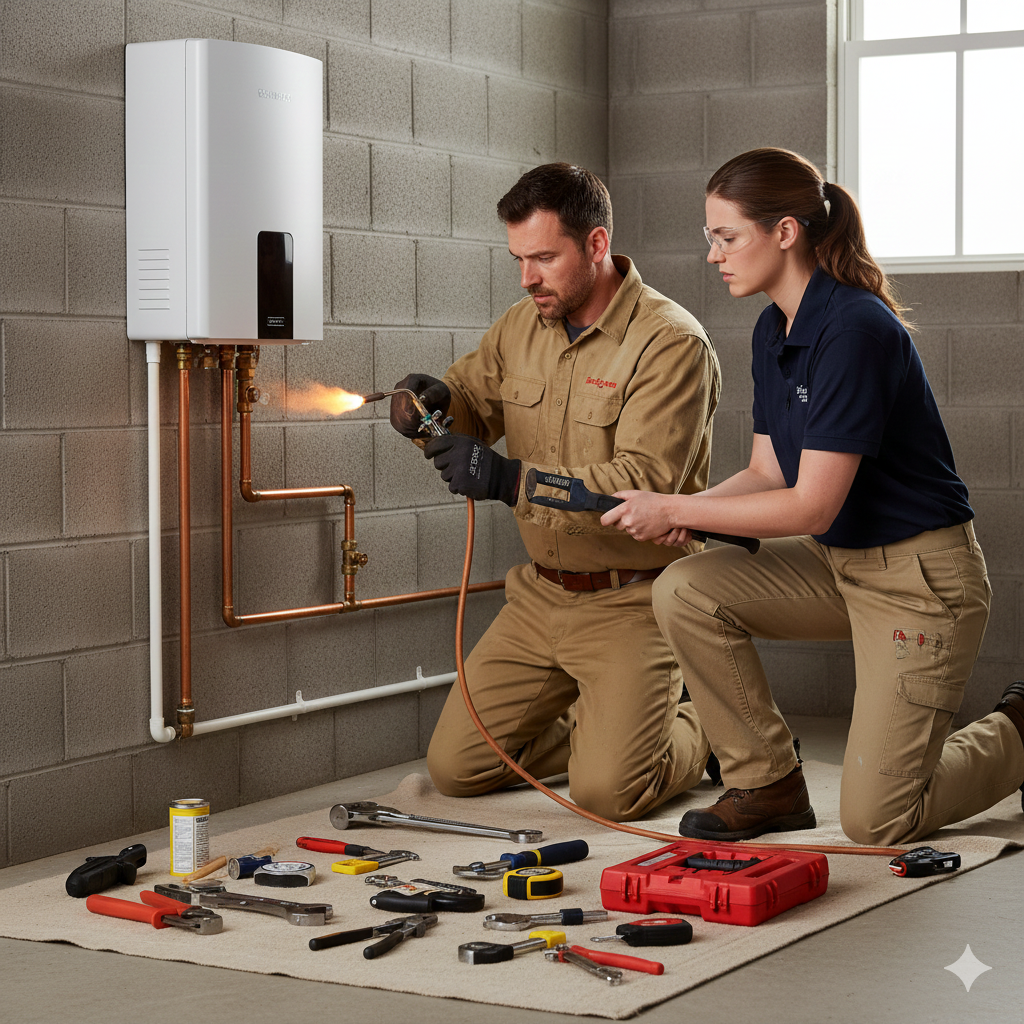
To calculate the flow rate, identify the number of fixtures (showers, faucets, appliances) that will be used simultaneously. Then, add their individual flow rates measured in gallons per minute (GPM). For example, two showers (2.5 GPM each) and a dishwasher (1.5 GPM) running at the same time would require a flow rate of 6.5 GPM. This total helps determine the minimum capacity your tankless water heater must support.
Temperature rise represents the difference between the incoming cold water temperature and the desired hot water temperature. It is crucial because tankless water heaters have limits on the flow rate they can heat at a specific temperature rise. In colder regions like Denver, a higher temperature rise is needed during winter, which affects the size of the tankless water heater required to meet demand.
Yes, many homeowners use whole-house tankless water heaters. Bedrock Plumbing & Drain Cleaning advises selecting a unit with sufficient flow rate capacity to supply all simultaneous hot water demands in your home. For larger homes or multiple bathrooms, multiple units or higher capacity models may be necessary.
If the unit is undersized, it may not supply enough hot water when multiple fixtures are in use, resulting in fluctuating water temperatures or cold water bursts. This can affect comfort and appliance performance. Proper sizing is essential to avoid these issues.
Most experts, including Bedrock Plumbing & Drain Cleaning, recommend setting your water heater to around 120°F. This temperature balances comfort, safety (to prevent scalding), and energy efficiency. Adjustments can be made based on personal preferences and household needs.
Denver’s colder groundwater temperatures, especially in winter months, require a greater temperature rise for your water heater to deliver comfortable hot water. This means a unit with a higher heating capacity or flow rate may be necessary compared to warmer climates.
Installation of tankless water heaters involves complex plumbing and electrical work. Bedrock Plumbing & Drain Cleaning strongly recommends professional installation to ensure safety, code compliance, and optimal system performance.
With proper maintenance, tankless water heaters can last 20 years or more. Replacement is usually needed when efficiency drops, repairs become frequent, or the unit no longer meets your household’s hot water demand.
Bedrock Plumbing & Drain Cleaning installs top-quality brands known for reliability and efficiency, including Navien, which offers models suited for Denver’s climate and varying household sizes.
You can contact Bedrock Plumbing & Drain Cleaning via their website or phone to schedule a home evaluation. Their experts will assess your hot water needs, water temperature, and existing plumbing to recommend the best sizing and replacement options.
By following these guidelines and consulting with experienced professionals like Bedrock Plumbing & Drain Cleaning, you can confidently select a tankless water heater that provides reliable, efficient hot water for years to come.

When considering upgrading your home’s hot water system, one of the most common questions is: how long does a tankless water heater installation usually take? Whether you’re located near the scenic Chain of Lakes in Minneapolis or close to major intersections like I-35W and Highway 62, understanding the installation timeline is crucial for planning and minimizing disruption to your daily routine.
At Bedrock Plumbing & Drain Cleaning, we specialize in efficient, professional tankless water heater installations that combine speed with meticulous attention to safety and code compliance. With over a decade of experience servicing homes around Minneapolis neighborhoods such as Lowry Hill and the Uptown area, our licensed plumbers provide reliable solutions tailored to your household’s specific needs.
A tankless water heater, also known as an on-demand or continuous flow water heater, heats water only when needed, eliminating the need for a bulky storage tank. This results in endless hot water, reduced energy costs, and more space in your utility area. These benefits have made tankless water heaters increasingly popular for homeowners looking to upgrade from traditional tank systems.
However, because tankless systems operate differently and require specific installation techniques—including gas, electrical, and venting connections—professional installation is essential. Bedrock Plumbing & Drain Cleaning’s licensed technicians ensure your tankless water heater is installed safely and according to manufacturers’ and local Minnesota code specifications.
Based on extensive experience documented by Bedrock Plumbing, the typical installation time for a tankless water heater ranges from 2 to 4 hours. The exact duration depends on several factors:
For example, an installation in a home near the historic Minnehaha Park area with accessible plumbing and gas lines might complete closer to the 2-hour mark. In contrast, a more complex retrofit in a home near Lake Harriet, requiring upgraded venting or electrical capacity, might take closer to 4 hours.
Understanding the installation steps can help homeowners prepare and set expectations. Here’s how Bedrock Plumbing & Drain Cleaning approaches each installation:
Each step is carried out with careful attention to safety and efficiency, drawing on Bedrock Plumbing’s thorough knowledge of local water conditions and Minnesota’s plumbing codes.
In a recent project near the University of Minnesota campus, our team replaced a traditional tank water heater with a high-efficiency tankless system. The installation was completed in approximately 3.5 hours, including venting upgrades and electrical panel adjustments to meet local code. The homeowner reported immediate benefits in energy savings and unlimited hot water availability, highlighting the importance of expert installation for optimal performance.
Bedrock Plumbing & Drain Cleaning combines licensed expertise with local Minneapolis experience to deliver seamless tankless water heater installations. Our certified technicians are trained in the latest industry standards, and our decade-plus track record includes numerous successful installations in neighborhoods like Lynnhurst and along the Mississippi River corridor.
We emphasize:
Learn more about our comprehensive tankless water heater installation services and how we can help you upgrade your home efficiently.
While most installations fit within the typical 2-4 hour window, some conditions might extend the timeline:
To ensure a smooth installation day, consider the following tips:
Although tankless water heater installations typically take 2 to 4 hours, the investment in professional installation pays off in long-term reliability, safety, and energy savings. Bedrock Plumbing’s licensed experts ensure your warranty remains valid by adhering to manufacturer guidelines and local codes. The upfront cost is offset by reduced energy bills and the unit’s longer lifespan compared to traditional heaters.
Typically, a tankless water heater installation takes between 2 to 4 hours. The exact time depends on whether it’s a straightforward replacement or an upgrade from a traditional tank system, the complexity of plumbing and electrical adjustments, and local code requirements. Bedrock Plumbing’s experienced technicians ensure efficient, safe installations that minimize disruption.
While some homeowners might attempt DIY installation, tankless water heaters require complex gas, electrical, and venting connections that must comply with strict safety codes. Professional installation by licensed plumbers, such as those at Bedrock Plumbing, ensures safety, system efficiency, and warranty validity.

Depending on your current home infrastructure, upgrades might be necessary. Tankless water heaters often require higher gas flow rates or dedicated electrical circuits. Bedrock Plumbing evaluates your home’s systems before installation and makes necessary upgrades to meet code and manufacturer requirements.
Once installation and thorough testing are complete, your tankless water heater is ready for immediate use. Bedrock Plumbing technicians provide a walkthrough to demonstrate operation and maintenance tips to ensure optimal performance from day one.
Yes, local regulations typically require permits and inspections for water heater installations to ensure safety and code compliance. Bedrock Plumbing handles all necessary permits and scheduling of inspections as part of their service to provide hassle-free installations.
Routine maintenance includes flushing the system to remove mineral buildup, cleaning filters, and inspecting venting and gas lines. Bedrock Plumbing offers professional maintenance services that take about 1 to 2 hours to keep your system running efficiently and extend its lifespan.
Tankless water heaters provide hot water on demand and do not store water, so technically they do not run out of hot water. However, their flow rate limits the amount of hot water they can produce simultaneously. Proper sizing during installation ensures your unit meets your household’s peak demand.
Tankless water heaters are compact units mounted on walls, often taking up less than a third of the space of traditional tank heaters. This space-saving feature is especially beneficial in homes near areas like Theodore Wirth Park, where maximizing living space is a priority.
Bedrock Plumbing works with leading manufacturers to provide a range of high-efficiency, reliable tankless water heaters tailored to your home’s needs. Their licensed plumbers recommend models based on your household size, usage patterns, and budget, ensuring the best fit and performance.
Yes, Bedrock Plumbing understands that water heater issues can be urgent. They offer prompt, reliable installation and repair services, including emergency support, to keep homes in Minneapolis and nearby neighborhoods like Linden Hills comfortable and safe.
Installing a tankless water heater is a smart upgrade that offers energy efficiency, endless hot water, and space savings. With professional installation from licensed experts at Bedrock Plumbing & Drain Cleaning, the process typically takes between 2 to 4 hours, depending on your home’s specific requirements. Their deep local knowledge of Minneapolis neighborhoods, regulatory compliance expertise, and commitment to customer satisfaction make them a trusted choice for tankless water heater installations.
For a seamless, expert installation experience tailored to your home, visit Bedrock Plumbing’s dedicated tankless water heater installation page or return to the Bedrock Plumbing & Drain Cleaning homepage to explore their full range of plumbing services.

Upgrading to a tankless water heater is a smart investment for homeowners seeking energy efficiency, endless hot water, and space-saving design. But before you take the plunge, one of the most critical questions is: How much does it typically cost to install a tankless water heater?
At Bedrock Plumbing & Drain Cleaning, based in the heart of the Metro Detroit area near Lake St. Clair and Belle Isle Park, we specialize in professional tankless water heater installations that combine expert craftsmanship with transparent pricing. In this comprehensive guide, we will break down all the cost factors, share real-world examples from our experience, and help you understand what to expect for your installation project.
For trusted service and expert advice on tankless water heater installation, visit our professional tankless water heater installation services. You can also explore more about our full range of plumbing solutions on our Bedrock Plumbing & Drain Cleaning homepage.
A tankless water heater, often called an on-demand water heater, heats water only when you need it, eliminating the need for a bulky storage tank. This results in continuous hot water supply, increased energy efficiency, and reduced utility bills over time. Unlike traditional tank models, tankless units are compact and can be installed closer to water outlets, saving valuable space in homes across neighborhoods like Grosse Pointe and Royal Oak.
Based on detailed data from Bedrock Plumbing & Drain Cleaning’s recent installations and pricing transparency, the typical cost to install a tankless water heater ranges broadly depending on several key factors. Here is an overview:
These costs can vary depending on your home’s setup, fuel source, and any necessary upgrades required for a successful installation.
Tankless water heaters come in three main fuel types: natural gas, propane, and electric. Each has distinct cost considerations:
| Fuel Type | Unit Cost Range | Installation Cost Range | Total Cost Range |
|---|---|---|---|
| Natural Gas | $750 – $2,000 | $900 – $1,500 | $1,650 – $3,500 |
| Propane | $500 – $2,000 | $900 – $1,500 | $1,400 – $3,500 |
| Electric | $500 – $1,500 | $150 – $1,000 | $650 – $2,500 |
For example, our team recently installed a high-efficiency natural gas unit in a Detroit home near the Eastern Market district at a total cost of approximately $2,900, including the unit, installation labor, and minor venting upgrades.
Many electric tankless water heaters require dedicated 120 to 160-amp service and multiple 240-volt circuits. If your electrical panel needs an upgrade to handle this load, expect an additional $200 to $800 in costs.
Gas and propane units require special venting to safely expel exhaust gases. In some homes around neighborhoods like Ferndale or Birmingham, venting installation or modifications can add complexity and cost.
If you’re moving your water heater to a new area within your home, such as from a basement to a utility closet near the I-75 interchange, extra piping and labor will increase the total cost.
Removing an existing traditional tank water heater adds labor time, which can increase your invoice by several hundred dollars.
Municipalities like those in Oakland and Macomb Counties may require permits for water heater installation, adding to the overall project expense.
With over a decade of experience serving Metro Detroit residents from Dearborn to Sterling Heights, Bedrock Plumbing & Drain Cleaning is a licensed, insured, and EPA-certified plumbing contractor. Our plumbers are highly trained in tankless systems and committed to delivering long-term value and safety. We provide transparent, upfront pricing and thorough consultations before starting work.
Our team applies industry best practices, including detailed site assessments, professional venting installation, and electrical upgrades when needed. We use only top-tier brands and components to ensure your tankless water heater performs optimally for years to come.
For example, a recent project involved installing a propane tankless water heater in a home near Belle Isle Park, where we upgraded the gas line, installed new venting, and completed the work within two days, meeting all local codes and ensuring the homeowner’s satisfaction.
While tankless water heaters have higher upfront installation costs compared to traditional tanks, they provide significant energy savings. They are up to 34% more energy-efficient, reducing your monthly utility bills, especially in high-usage households. Over time, these savings can offset the initial expense.
Installation usually takes between 4 to 8 hours depending on the complexity of the job, including factors such as venting, electrical upgrades, and removal of existing equipment. Our experienced technicians at Bedrock Plumbing & Drain Cleaning ensure efficient and safe installation within this timeframe to minimize disruption to your daily routine.
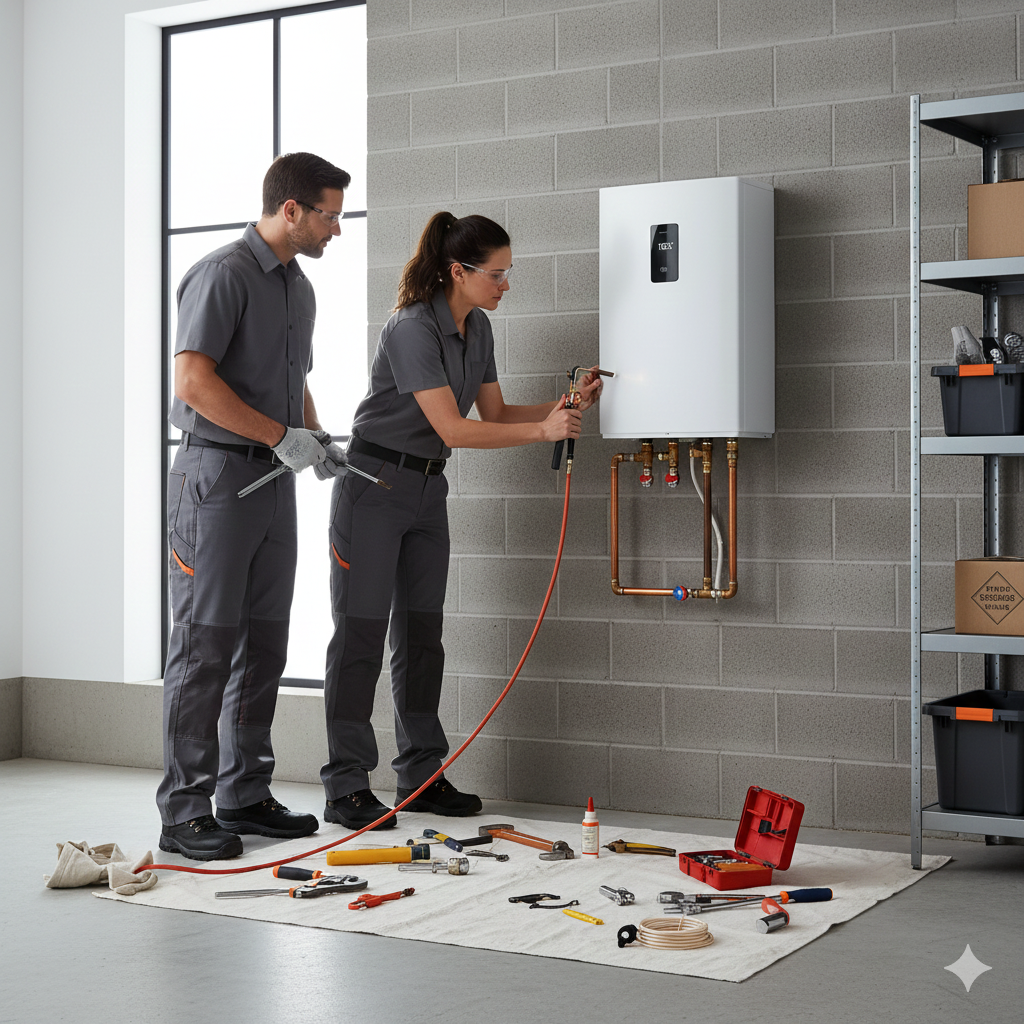
Yes. Most electric tankless water heaters require significant electrical capacity. If your current panel cannot support the new unit, we recommend an upgrade, which can cost between $200 and $800. This is necessary to ensure safe and reliable operation of your water heater.
Absolutely. Installing the unit far from existing plumbing or fuel lines increases labor and materials cost. For example, moving the heater to an upper floor or a different room, such as near the Oakland University campus area, requires additional piping and electrical work.
Tankless water heaters are available in natural gas, propane, and electric models. Gas and propane units generally have higher installation costs due to venting and gas line requirements but offer lower operating costs and better flow rates. Electric units are cheaper upfront but may increase your electric bill, especially in areas with high electricity rates.
While DIY installation is possible, it is highly discouraged. Improper installation can lead to safety hazards, inefficiency, and costly repairs. Hiring a licensed professional like Bedrock Plumbing & Drain Cleaning ensures code compliance, safety, and optimal performance.
Regular maintenance includes flushing the system annually to remove mineral buildup and checking venting and electrical components. Proper maintenance extends the life of your unit and maintains efficiency. Our team offers maintenance services to keep your system running smoothly year-round.
Yes, most local jurisdictions require permits to ensure installations meet safety and building codes. Bedrock Plumbing & Drain Cleaning handles all permitting and inspections as part of our full-service approach, providing peace of mind for homeowners.
Tankless water heaters typically last 20 years or more, which is longer than traditional tank models. This durability contributes to their overall value despite the higher initial installation cost.
Choosing the correct size depends on your household’s peak hot water demand, measured in gallons per minute (GPM). Our experts perform a detailed assessment considering the number of bathrooms, appliances, and simultaneous usage to recommend a unit that meets your needs without overspending.
Yes. We have extensive experience installing tankless water heaters in older homes, including those in historic districts near Corktown and Midtown Detroit. Our team accounts for unique challenges such as outdated plumbing or electrical systems and provides tailored solutions to ensure a safe, efficient installation.
Installing a tankless water heater is a valuable upgrade that offers energy efficiency, space savings, and reliable hot water on demand. Typical installation costs range from $1,200 to $3,500 depending on fuel type, home setup, and any necessary upgrades. Choosing a trusted and experienced plumbing contractor like Bedrock Plumbing & Drain Cleaning guarantees professional installation, transparent pricing, and long-term performance.
Whether you live near scenic Lake St. Clair, the bustling Detroit Riverwalk, or the historic Greektown district, our team is ready to help you with expert tankless water heater installation tailored to your home’s needs. Contact us today to schedule a consultation and learn more about our services.

When choosing a water heating system for your home in the Minneapolis-St. Paul area, one of the most common questions homeowners ask is: how long does a tankless water heater last compared to traditional models? Understanding the lifespan differences between these two popular types of water heaters is crucial for making an informed decision that balances cost, efficiency, and long-term reliability.
At Bedrock Plumbing & Drain Cleaning, we have extensive firsthand experience installing and maintaining both tankless and traditional water heaters. Our expert technicians have serviced homes across neighborhoods like St. Louis Park, near Theodore Wirth Park, and along major corridors such as Highway 100. This local expertise allows us to provide tailored advice grounded in real-world performance and regional conditions.
Traditional water heaters, which store hot water in a tank, typically last between 8 to 15 years according to industry standards and our practical experience at Bedrock Plumbing. This lifespan varies based on factors such as water quality, maintenance frequency, and the heater’s build quality. Sediment buildup inside the tank due to hard water is a common culprit that can significantly reduce the heater’s efficiency and longevity.
For example, in homes near the Chain of Lakes or areas with high mineral content in water, tanks may need more frequent flushing to prevent sediment accumulation. Without routine maintenance, the tank’s metal components can corrode prematurely, leading to leaks or failure.
Replacement costs for traditional tank water heaters generally range from $1,000 to $2,500, including installation, as noted by Bedrock Plumbing’s service pricing. Installation usually takes about 2 to 4 hours, depending on the complexity and whether it is a direct replacement or an upgrade.
Tankless water heaters, also known as on-demand water heaters, do not store hot water but heat it as it flows through the unit. This design allows them to last significantly longer, with an average lifespan of about 20 years or more when properly maintained.
According to Bedrock Plumbing’s expertise, tankless models benefit from fewer corrosion issues since they don’t have a storage tank subject to sediment buildup. This advantage is particularly valuable in areas like the Minneapolis suburbs, where water hardness can be an issue.
Tankless water heaters typically come with a higher upfront cost, ranging from $2,000 to $4,000+ including installation. However, their energy efficiency and longer lifespan can result in cost savings over time. Our technicians recommend regular descaling and maintenance to ensure peak performance and durability.
| Feature | Traditional Tank Water Heater | Tankless Water Heater |
|---|---|---|
| Average Lifespan | 8 to 15 years | 20+ years |
| Energy Efficiency | Lower due to standby heat loss | Higher, heats on demand |
| Initial Cost | $1,000 – $2,500 (installed) | $2,000 – $4,000+ (installed) |
| Maintenance Needs | Regular flushing to remove sediment | Periodic descaling and filter cleaning |
| Space Requirements | Requires tank storage space | Compact, wall-mounted |
At Bedrock Plumbing & Drain Cleaning, we have replaced many traditional water heaters with tankless models in neighborhoods like St. Louis Park and nearby Maple Grove. For instance, a recent project involved upgrading a home near Theodore Wirth Park from a 12-year-old conventional tank unit to a modern tankless system. The homeowner reported enjoying endless hot water with improved energy bills and more space freed up in their utility closet.
Our technicians also handle emergency repairs and replacements swiftly, minimizing downtime. Whether it’s a sudden water heater failure on a cold Minneapolis winter day or a planned upgrade, our team ensures the installation meets local codes and manufacturer specifications.
Bedrock Plumbing is a trusted plumbing partner with years of experience in the Twin Cities metro area. Our licensed plumbers specialize in both tankless and traditional systems, providing expert installation, repair, and maintenance services. We prioritize transparency, quality, and customer satisfaction, with many clients across neighborhoods such as St. Louis Park and near the Minnehaha Creek enjoying our dependable service.
We offer fast, reliable service including emergency repairs available seven days a week, often responding the same day to water heater issues. Our team helps homeowners select the right water heater model based on household size, energy efficiency goals, and budget.
Explore our full range of services, including expert tankless water heater replacement and installation to upgrade your home’s comfort and efficiency.
Tankless water heaters generally last about 20 years or more with proper maintenance. Their design avoids sediment buildup and corrosion issues common in tank models, contributing to their longevity. Regular descaling and filter cleaning help maintain optimal performance and extend lifespan.
Traditional tank water heaters typically last between 8 to 15 years. Factors like water hardness, sediment buildup, and maintenance frequency greatly influence their longevity. Without proper care, tanks may corrode or leak prematurely.
Yes, tankless water heaters are more energy-efficient because they heat water only on demand, eliminating standby heat loss associated with traditional tanks. This efficiency can lead to lower energy bills over time, especially in households with variable hot water usage.

Tankless water heaters require periodic descaling to remove mineral deposits, especially in areas with hard water like Minneapolis suburbs. Cleaning filters and inspecting the unit annually ensures efficient operation and prevents costly repairs.
Replacing a traditional tank water heater typically costs between $1,000 and $2,500 including installation. Tankless models range from $2,000 to $4,000 or more due to higher equipment and installation complexity. Bedrock Plumbing provides transparent pricing and expert installation to maximize value.
Installation usually takes between 2 to 4 hours depending on whether it is a standard replacement or an upgrade to a different system like tankless. Our licensed plumbers at Bedrock Plumbing ensure safe, code-compliant installations with minimal disruption.
Tankless water heaters provide endless hot water, take up less space, and offer improved energy efficiency. They also have a longer lifespan, making them a smart investment for homeowners seeking reliability and lower utility bills.
Yes, Bedrock Plumbing offers 24/7 emergency water heater repair services. Our skilled technicians respond promptly to diagnose and fix issues, ensuring your hot water is restored quickly, even during holidays or weekends.
Yes, most cities in Minnesota require a permit for water heater replacement. Bedrock Plumbing’s licensed professionals handle all necessary permits and inspections, ensuring your installation meets local codes and safety standards.
Signs your water heater may need replacement include inconsistent water temperatures, leaks, strange noises, or failure to produce hot water. An older unit nearing or exceeding its typical lifespan is also a candidate for replacement to avoid unexpected breakdowns.
Choosing between a traditional tank water heater and a tankless system depends on your household needs, budget, and long-term goals. While traditional water heaters offer lower upfront costs, their 8 to 15-year lifespan and higher energy use may lead to more frequent replacements and higher bills.
Tankless water heaters, with their 20+ year lifespan, higher efficiency, and space-saving design, provide a compelling alternative. At Bedrock Plumbing & Drain Cleaning, we bring expert guidance, professional installation, and reliable maintenance services to homes across the Minneapolis-St. Paul metro area, including neighborhoods like St. Louis Park and areas near Theodore Wirth Park.
For a trusted partner in your water heater replacement journey, visit our specialized tankless water heater replacement page or explore our home page to learn more about our full range of plumbing solutions.

Tankless water heaters have revolutionized home hot water systems by providing energy-efficient, on-demand heating that saves space and utility costs. However, to maximize their lifespan and ensure optimal performance after a replacement, proper maintenance is essential. Whether you’re in the vibrant neighborhoods around Minneapolis–Saint Paul or near natural landmarks like Lake Harriet or Minnehaha Park, understanding the required upkeep of your new tankless water heater will protect your investment and keep your household running smoothly.
Bedrock Plumbing & Drain Cleaning, a trusted local expert in Minnesota, specializes in tankless water heater replacement and maintenance services that emphasize reliability, efficiency, and safety. This comprehensive guide draws on their expertise and real-world experience to provide you with actionable steps and insights for maintaining your tankless water heater after replacement.
Tankless water heaters are designed to last longer than traditional tank models—typically over 20 years with proper care. Nonetheless, they require routine maintenance to prevent issues like sediment buildup, mineral scaling, and system inefficiencies that can compromise performance and shorten their lifespan. According to Bedrock Plumbing, regular maintenance can significantly reduce the risk of costly repairs and unexpected system failures while optimizing energy use and water temperature consistency.
After installing a new tankless water heater, the following maintenance steps are critical to preserve your unit’s efficiency and longevity:
Mineral deposits, especially calcium and lime, accumulate in the heat exchanger and water lines over time, particularly in Minnesota’s hard water areas. Bedrock Plumbing recommends performing an annual flush using a descaling solution such as white vinegar to dissolve these deposits. This process involves shutting off the water and gas supply, connecting hoses to the maintenance valves, and circulating the vinegar through the system with a small pump. This prevents clogging and maintains optimal heat transfer efficiency.
The water inlet filter traps debris and sediment that can damage the water heater. It should be inspected and cleaned every few months or more frequently if you notice reduced water pressure. Bedrock Plumbing technicians advise removing the filter, rinsing it thoroughly, and reinstalling it to ensure unobstructed water flow.
Some tankless models have an anode rod to prevent corrosion in the heat exchanger. Inspecting the anode rod annually and replacing it as needed helps extend the lifespan of your unit by protecting against rust and deterioration.
Proper venting is critical to safe operation. After replacement, verify that vent pipes are clear of obstructions, securely connected, and compliant with local codes. Bedrock Plumbing highlights that faulty venting can cause dangerous gas buildup and reduce system efficiency.
Regularly inspect around your water heater for leaks, drips, or unusual sounds such as banging or hissing. These can signal internal issues like pressure fluctuations or valve malfunctions that require prompt professional attention.
Scheduling an annual professional inspection ensures that any emerging issues are caught early. Certified technicians from Bedrock Plumbing perform thorough diagnostics, safety checks, and maintenance to keep your system running reliably.
Bedrock Plumbing & Drain Cleaning brings deep expertise to tankless water heater replacement and maintenance in Minneapolis and surrounding areas, including neighborhoods near the University of Minnesota and close to major intersections like I-35W and Highway 62. Their licensed plumbers understand Minnesota’s water conditions and local regulations, ensuring your system meets all safety and performance standards.
With over a decade of experience, Bedrock Plumbing has documented numerous successful tankless water heater replacements, emphasizing customer satisfaction, code compliance, and energy efficiency. Their team uses industry-leading tools and follows manufacturer guidelines meticulously to ensure every installation and maintenance task is done right the first time.
While some basic upkeep can be DIY-friendly, Bedrock Plumbing advises that professional maintenance is crucial for safety, warranty preservation, and technical accuracy. Improper handling of gas lines, electrical connections, or venting can pose serious risks. Professionals also identify subtle signs of wear or malfunction that homeowners may overlook.
In addition, professional services include:
For trusted tankless water heater replacement and maintenance solutions in the Twin Cities metro area, consider contacting Reliable Tankless Water Heater Replacement and Maintenance Services in Minneapolis-Saint Paul. Their customer-focused approach ensures rapid, efficient service tailored to your home’s unique needs.
Given Minnesota’s notoriously hard water and cold winters, homeowners should pay special attention to:
Bedrock Plumbing technicians customize maintenance plans to address these local environmental factors, helping your tankless water heater perform optimally year-round.
Some frequent challenges with tankless water heaters include:
Regular professional inspections and adherence to maintenance schedules recommended by Bedrock Plumbing drastically reduce these risks.
Before scheduling maintenance or replacement, ensure you:
Being prepared helps expedite service and ensures thorough maintenance.
According to Bedrock Plumbing, typical repair costs for water heaters range from $150 to $600, while replacing a standard tank water heater costs between $1,000 and $2,500. Tankless water heater replacements generally range from $2,000 to $4,000+ including installation. Investing in regular maintenance can prevent expensive replacements and extend your unit’s life well beyond 20 years.
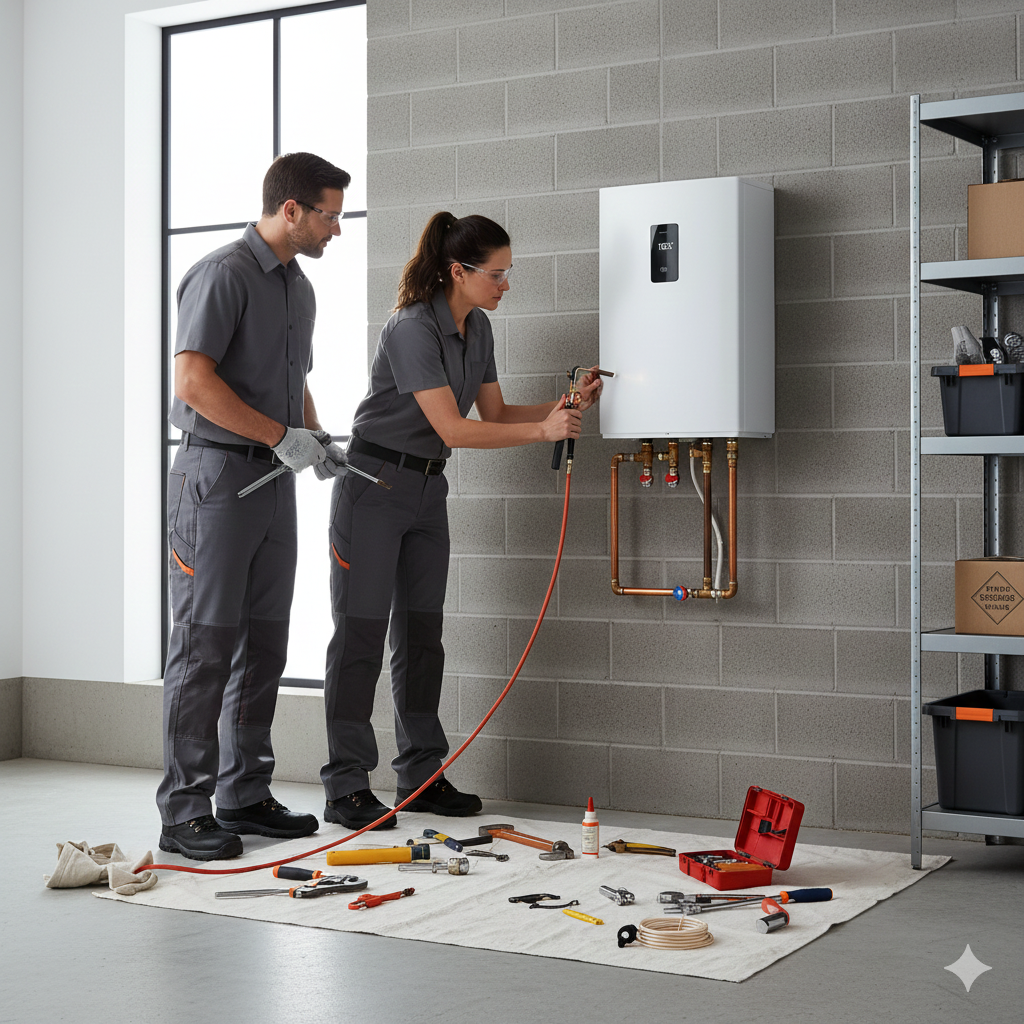
Proper maintenance after tankless water heater replacement is vital to ensure consistent hot water supply, energy efficiency, and system longevity. By following the expert guidance and maintenance protocols from Bedrock Plumbing & Drain Cleaning—your local Minneapolis-Saint Paul plumbing authority—you protect your home investment and enjoy worry-free comfort year-round.
For more detailed information or to schedule professional tankless water heater replacement and maintenance, visit Bedrock Plumbing & Drain Cleaning Official Homepage for Trusted Minneapolis Plumbing Services. Their team is ready to provide expert support tailored to your home’s needs.
The most crucial maintenance task is the annual flushing and descaling of the heat exchanger to remove mineral deposits, particularly calcium buildup common in hard water areas like Minneapolis. This prevents clogging, improves efficiency, and extends the life of the unit. Professional flushing involves circulating a vinegar solution or commercial descaler through the system using specialized equipment, which Bedrock Plumbing recommends for best results.
It is recommended to have your tankless water heater professionally serviced at least once a year. Annual inspections and maintenance help identify any issues early, maintain energy efficiency, and ensure safe operation. For households with very hard water or heavy usage, more frequent maintenance may be necessary to prevent sediment buildup and other complications.
While some basic maintenance like cleaning the water inlet filter can be performed by homeowners, professional maintenance is strongly advised for tasks such as flushing, inspecting anode rods, and checking venting systems. Certified technicians from Bedrock Plumbing have the expertise and tools to safely and effectively perform these tasks, ensuring warranty compliance and system longevity.
Professional installation ensures your tankless water heater is set up according to manufacturer specifications and local codes, which is critical for safety, performance, and warranty validity. Licensed plumbers like those at Bedrock Plumbing handle complex gas, electrical, and venting connections correctly, preventing hazards such as gas leaks, carbon monoxide buildup, or inefficient operation.
Common indicators include inconsistent hot water temperatures, reduced water pressure, unusual noises, water leaks around the unit, and frequent system malfunctions. Bedrock Plumbing advises scheduling an inspection promptly if you notice any of these symptoms to prevent more serious damage or sudden failure.
Minnesota’s hard water, rich in minerals like calcium and magnesium, contributes to scale buildup inside the heat exchanger and pipes. This accelerates wear and reduces efficiency. Using water softening systems and adhering to a strict maintenance schedule with annual descaling are essential practices recommended by Bedrock Plumbing to combat these local water conditions.
Yes, shutting off the water supply and power or gas to your unit is a critical safety step before performing any maintenance or repairs. This prevents accidents and protects the system. Bedrock Plumbing technicians always follow this protocol during service calls.
Routine maintenance, including flushing, filter cleaning, and inspection, generally takes about 1 to 2 hours. More extensive repairs or replacements may require additional time. Scheduling regular maintenance with Bedrock Plumbing ensures efficient, timely service minimizing disruption to your household.
Absolutely. Removing mineral deposits and ensuring all components function correctly helps the unit heat water more efficiently, reducing energy consumption and lowering utility bills. Bedrock Plumbing emphasizes that regular maintenance is one of the best ways to maximize the energy-saving benefits of your tankless water heater.
If you notice any leaks, immediately turn off the water supply and contact a licensed professional like Bedrock Plumbing to inspect and repair the issue. Leaks can cause water damage, reduce system efficiency, and may indicate failing components that require prompt attention to avoid costly damage.