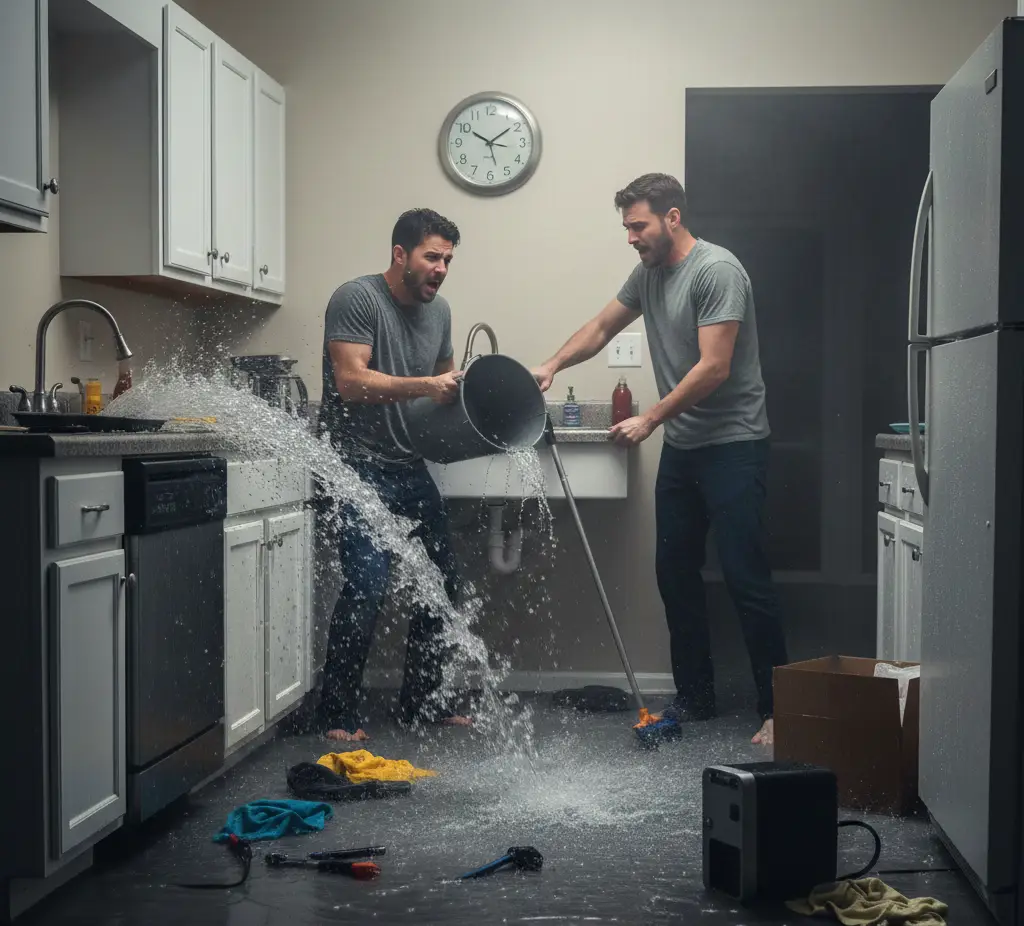
When Should I Winterize My Outdoor Faucets?

Winterize your outdoor faucets by mid-October, before the first hard freeze hits your area. Proper winterization involves disconnecting and draining all garden hoses, shutting off the interior shut-off valves that feed your exterior faucets, opening the outside faucets to drain any remaining water, and leaving them open throughout winter. This process is essential even for frost-free hose bibs, as it prevents costly pipe damage that can occur when trapped water freezes and expands.

Why Winterizing Outdoor Faucets Is Crucial

When temperatures drop below freezing, any water trapped in your outdoor faucets or the connecting pipes can freeze and expand, potentially causing pipes to crack or burst. This damage often goes unnoticed until spring when you turn your water back on, resulting in flooding, water damage, and expensive emergency repairs. At Bedrock Plumbing & Drain Cleaning, we see preventable freeze damage every year from homeowners who delayed winterizing or skipped important steps in the process.

Proper winterization not only prevents costly repairs but also extends the life of your plumbing system. Even newer homes with frost-free faucets need proper winterization, as these fixtures are only protected if hoses are disconnected and water can properly drain from the internal pipe.

The Ideal Timing for Winterization

Watch the Weather, Not the Calendar

While mid-October is a good rule of thumb for most areas we serve, the exact timing depends on your local climate. The key is to winterize before the first sustained freeze—when temperatures drop below 32°F for several hours or days. In some years, this might be earlier or later than expected.

For homeowners in the greater metro area, we recommend completing winterization by:

  • Early October for northern suburbs and higher elevations
  • Mid-October for most of the metro area
  • Late October for southern suburbs in milder microclimates

Don’t wait until freezing temperatures are forecasted, as unexpected early freezes can catch you unprepared. Many of our emergency calls come after the first surprise freeze of the season.

Complete Winterization Checklist

Essential Steps for Standard Outdoor Faucets

  1. Disconnect All Hoses: Remove and drain garden hoses, storing them in a garage or shed for winter.
  2. Locate Interior Shut-off Valves: Find the shut-off valves that control water flow to your outdoor faucets. These are typically located in your basement, crawlspace, or utility area near where the pipes exit toward outdoor faucets.
  3. Turn Off Water Supply: Close these shut-off valves completely by turning clockwise until tight.
  4. Drain Remaining Water: Open the outdoor faucet to allow any remaining water to drain out completely.
  5. Leave Faucets Open: Keep the outdoor faucet in the open position throughout winter to prevent pressure buildup if any water does freeze.
  6. Drain the Shut-off Valve: If your interior shut-off valve has a drain cap or bleeder valve, open it to drain water trapped between the shut-off valve and outdoor faucet.

Special Considerations for Frost-Free Faucets

Even frost-free (freeze-proof) faucets require winterization. These fixtures have longer stems that allow the actual water shut-off to occur inside your heated home, but they can still freeze if:

  • A garden hose remains attached, trapping water in the faucet
  • The faucet is installed with an upward slope, preventing proper drainage
  • The faucet has internal damage or worn washers

For frost-free faucets, be sure to:

  1. Disconnect all hoses
  2. Ensure the faucet can drain properly
  3. Consider installing insulated covers for extra protection

Common Mistakes to Avoid

  • Leaving hoses attached: This is the number one cause of damage to frost-free faucets
  • Forgetting interior shut-off valves: Just closing the outside faucet isn’t enough
  • Waiting too long: Don’t risk an early freeze catching you unprepared
  • Assuming new fixtures don’t need winterization: Even modern frost-free faucets require proper winter care

What If You’ve Already Had a Freeze?

If you’ve experienced a light freeze before winterizing, you might still be okay. Turn off the interior shut-off valves and then check for leaks when you open the outdoor faucet. If water continues flowing or you notice leaking when you later turn the supply back on, contact Bedrock Plumbing & Drain Cleaning immediately for inspection.

Professional Assistance

While winterizing outdoor faucets is a straightforward DIY project for most homeowners, our team at Bedrock Plumbing & Drain Cleaning is always available to help. If you:

  • Can’t locate your interior shut-off valves
  • Notice any leaks or damage during winterization
  • Have multiple irrigation systems or specialty outdoor plumbing

Contact us for professional winterization services. Our experienced plumbers can ensure your entire system is properly protected for the winter months ahead.

Don’t let preventable freeze damage ruin your spring. Protect your plumbing system by winterizing your outdoor faucets before the cold sets in. For professional assistance or emergency services, contact Bedrock Plumbing & Drain Cleaning today at [phone number] or visit our website to schedule an appointment.

When Should I Winterize My Outdoor Faucets in Minnesota?

Winterize outdoor faucets by late October or before first hard freeze by shutting off interior valves, draining lines, and installing insulated covers. Irrigation lines in suburbs should be professionally blown out to prevent damage. For Minnesota homeowners, this proactive maintenance is crucial to prevent costly pipe damage from freezing temperatures that typically arrive in early November.

Why Winterizing Outdoor Faucets Is Critical in Minnesota

Minnesota’s frigid winters can wreak havoc on your home’s plumbing system, particularly outdoor faucets and pipes. When water freezes inside these fixtures, it expands with tremendous force – enough to crack pipes, split faucets, and cause thousands of dollars in water damage when things thaw. Taking the time to properly winterize these vulnerable areas isn’t just recommended – it’s essential preventative maintenance for every Minnesota homeowner.

The process is relatively simple, but timing is everything. Wait too long, and you risk frozen pipes before you’ve had a chance to protect them. Winterize too early, and you might find yourself without outdoor water access when you still need it for fall cleanup.

The Ideal Timing for Winterizing in Minnesota

Watch the Forecast, Not the Calendar

While late October is generally a safe target for winterizing outdoor faucets in Minnesota, the weather should be your primary guide. The critical threshold is when overnight temperatures consistently drop to 32°F or below. This typically happens in early November across most of Minnesota, though northern regions may experience freezing temperatures earlier.

Regional Considerations Across Minnesota

  • Twin Cities Metro: Aim for late October to early November
  • Northern Minnesota (Duluth, Bemidji): Mid-October is often necessary
  • Southern Minnesota (Rochester, Mankato): Early November may be safe, but don’t delay

Better Early Than Sorry

If you’re uncertain about timing or planning to be away from home during the fall-to-winter transition, err on the side of caution. Winterizing a week or two early is far preferable to dealing with burst pipes and water damage.

Step-by-Step Winterization Process

1. Shut Off Interior Supply Valves

Most Minnesota homes built in the last few decades have dedicated shut-off valves for outdoor faucets located inside the home, typically in basements or crawl spaces. These valves are your first line of defense:

  • Locate the interior shut-off valve for each outdoor faucet
  • Turn the valve clockwise until fully closed
  • If your valve has a small drain cap, place a bucket underneath and open this cap to drain remaining water

2. Drain the Exterior Faucets

After shutting off interior valves:

  • Go outside and open each outdoor faucet completely
  • Let all water drain out (this may take several minutes)
  • Leave the faucet in the open position throughout winter

3. Install Insulated Faucet Covers

Even after draining, added protection is recommended:

  • Purchase foam insulated faucet covers at any hardware store (typically $5-10 each)
  • Secure them tightly over each outdoor faucet
  • Ensure a snug fit with no gaps where cold air can penetrate

4. Don’t Forget Other Outdoor Water Sources

  • Garden hoses: Disconnect, drain completely, and store indoors
  • Irrigation systems: Professional blowouts are recommended (see below)
  • Pool equipment: Follow manufacturer guidelines for winterization

Special Considerations for Irrigation Systems

If your Minnesota home has an in-ground sprinkler system, winterization is even more critical. Unlike simple outdoor faucets, irrigation systems have extensive underground piping that can be damaged by freezing temperatures.

Professional irrigation blowouts use compressed air to remove all water from these systems. This specialized service typically costs $75-150 depending on system size, but is far less expensive than repairing damaged irrigation lines in spring.

Common Winterization Mistakes to Avoid

  • Waiting too long: Procrastinating until the first freeze forecast often leads to rushed, incomplete winterization
  • Forgetting interior shut-off valves: Simply covering outdoor faucets isn’t sufficient protection
  • Leaving hoses connected: Even with faucets turned off, connected hoses can trap water that freezes and damages faucets
  • Assuming new homes don’t need winterization: Even “frost-free” faucets require proper winterization in Minnesota’s climate

When to Call a Professional

While outdoor faucet winterization is a manageable DIY task for most homeowners, certain situations warrant professional help:

  • Homes without accessible interior shut-off valves
  • Older homes with complex plumbing configurations
  • Properties with specialized outdoor water features
  • When you’re unsure about proper techniques

Let Bedrock Plumbing Protect Your Home This Winter

Don’t risk costly water damage from frozen pipes this winter. If you’re uncertain about properly winterizing your outdoor faucets or irrigation system, Bedrock Plumbing & Drain Cleaning offers comprehensive winterization services throughout the Minnesota area.

Our experienced technicians will ensure your entire plumbing system is properly protected against Minnesota’s harsh winter conditions. Contact us today to schedule your pre-winter plumbing inspection and winterization service. Peace of mind is just a phone call away!

Water Heater Installation in St. Louis Park: What to Expect

Water Heater Installation in St. Louis Park

What to Expect During Water Heater Installation in St. Louis Park, MN

Imagine waking up on a chilly morning in St. Louis Park, MN, ready for a hot shower only to find your water heater has given out. Near landmarks like Wooddale Mall or along the busy Excelsior Boulevard, residents rely on dependable hot water, especially during Minnesota winters. At Bedrock Plumbing & Drain Cleaning: Trusted St. Louis Park Experts, our licensed plumbers have handled countless installations in neighborhoods like this, ensuring homes near Aquila Lake and St. Louis Park High School stay comfortable. This guide details exactly what to expect during water heater installation in St. Louis Park, MN, drawing from our hands-on experience serving the area around Highway 100 and Minnetonka Boulevard.

Why Water Heater Installation Matters in St. Louis Park

St. Louis Park’s unique climate, with harsh winters and humid summers, puts extra stress on water heaters. Homes in areas like Beltline Park or near Wolf Lake often face frozen pipes or sediment buildup from hard water common in the Twin Cities. When your unit fails, professional installation isn’t just a fix—it’s an upgrade opportunity. Our team at Bedrock Plumbing specializes in both standard tank water heaters and advanced tankless systems, tailored for local homes. We’ve seen firsthand how a properly installed system prevents issues like those during the heavy snows near Knollwood Shopping Center.

Expect a process that prioritizes safety and efficiency. Our licensed plumbers arrive promptly, even 24/7, from our base at 7000 Oxford St. Whether you’re in a cozy bungalow off West 47th Street or a larger home near Texas Instruments Park, we customize the installation to your property’s needs. This includes assessing gas lines for homes on natural gas grids or electrical setups for electric models prevalent in older St. Louis Park neighborhoods.

Initial Consultation and Assessment Phase

Your journey begins with a call to Bedrock Plumbing. Our experts schedule a rapid assessment, often same-day for emergencies. During this visit, the plumber inspects your current setup. In St. Louis Park, many homes built mid-century have tank-style heaters in basements or garages, prone to rust from the area’s mineral-rich water. We check for proper venting, expansion tanks, and relief valves—critical safety components.

For instance, in a recent job near Harmony Park, our technician discovered an undersized unit struggling to serve a family of five. We measured hot water demand, considering peak usage like multiple showers during morning rushes before commuting via I-394. Expect questions about household size, usage patterns, and preferences for gas, electric, or tankless. Tankless options shine here, providing endless hot water and saving space in compact homes near St. Louis Park Country Club.

We also evaluate your space. Basements near Elm Creek Park Reserve edges might need venting adjustments due to tight clearances. Our MN Licensed General Contracting Company (License #BC787322) ensures compliance with local codes, including those from St. Louis Park building inspectors who frequent areas like Brookside Garden.

Choosing the Right Water Heater for Your St. Louis Park Home

Selection is key. Standard tank water heaters hold 40-80 gallons, ideal for average families in single-story homes along Nationwide Boulevard. They heat water continuously but use more energy. Tankless water heaters, our specialty, heat on demand, cutting bills by up to 30%—vital with Minnesota’s high utility rates.

Gas models suit homes connected to CenterPoint Energy lines, common near Ridgeview Park. Electric tankless work well in all-electric setups, like condos by Ace Hardware on Excelsior. Hybrid heat pump systems offer efficiency for eco-conscious residents near Green Institute initiatives. We discuss warranties, typically 6-12 years, and energy factors like Uniform Energy Factor (UEF) ratings above 0.95 for top performers.

In one case near West End, a client upgraded to a gas tankless unit, enjoying instant hot water for laundry and dishes without the wait. Factors like water pressure from municipal supplies and proximity to Minnehaha Creek influence choices. Our plumbers recommend based on 24/7 service insights across Hopkins, Edina, and Plymouth too.

Preparation Before Installation Day

Prep minimizes downtime. Shut off water and power to the old unit. Clear space around it—remove boxes or storage common in garages near Shopko sites. For gas heaters, ensure pilot lights are off. We guide you via phone, advising on draining the tank to avoid floods, especially risky in basements prone to seepage during rains near Kelly Lake.

Discuss permits. St. Louis Park requires them for major installs; our team handles paperwork as a licensed contractor. Gather family during school hours at Peter Hobart Elementary to avoid disruptions. Stock bottled water and plan cold meals—installs take 4-8 hours typically.

Step-by-Step: What Happens During Installation

Day-of, our uniformed plumber arrives in a branded van, tools ready. Step 1: Removal. Disconnect lines, drain residual water, and haul away the old unit responsibly—Bedrock recycles metals per local regs.

Step 2: Site prep. Install drip pan under the new unit to catch leaks, expansion tank for pressure relief, and thermal expansion controls mandatory in closed-loop systems common in St. Louis Park. For tankless, we mount wall units high, routing gas or electric feeds.

Step 3: Connections. Hook up cold water inlet, hot outlet, gas line (with sediment trap), or electrical wiring to 240V breakers. Venting is crucial—power vents for indoor gas units or direct vents for efficiency. Near Interstate 394, noise levels matter; we choose quiet models.

Step 4: Testing. Fill the tank slowly, check for leaks, ignite burner or power on, and test temperatures at 120°F for safety. Flush sediment traps. In a Minnetonka-adjacent install, we pressure-tested to 100 PSI, ensuring no issues during freeze-thaws.

Safety first: Relief valves set to 150 PSI, pans connected to drains. Tankless setups include flow sensors for optimal performance.

Post-Installation Checks and Startup

Once running, we monitor for an hour. Teach you controls, maintenance like annual flushing to combat hard water from sources near Bass Lake. Set digital thermostats for efficiency. Provide manuals and our 24/7 contact.

Walkthrough covers error codes, filter changes for hybrids. In St. Louis Park’s variable weather, we advise insulation on pipes to prevent heat loss near exterior walls by Recreation Center.

Common Challenges in St. Louis Park Installs

Local quirks include tight attics in homes by Original Pancake House, requiring flexible venting. Hard water accelerates scaling; we recommend softeners. Older wiring in pre-1970s builds near Aquila Bowling may need upgrades. Gas conversions involve Xcel Energy coordination.

We’ve navigated slab foundations in ranch styles off Highwood Road, using compact tankless. Winter installs demand freeze protection, like heat tape on exposed lines.

Costs and Financing for St. Louis Park Residents

Expect $1,200-$4,500 total, varying by type. Standard tanks: $800-$2,000 parts/labor. Tankless: $2,000-$5,000, with rebates from utilities. Factors: location accessibility, venting needs. Transparent pricing—no surprises. Financing options available; call for quotes.

Maintenance Tips Post-Installation

Flush annually, test valves monthly. Monitor for noises indicating sediment. In St. Louis Park’s cold, insulate tanks. Extend life to 15+ years with care.

Bedrock offers maintenance plans. For tankless near Whole Foods, descale yearly.

Why Choose Bedrock for St. Louis Park Water Heater Installation

As a family-owned MN company serving seven Twin Cities counties, including St. Louis Park, Edina, and Minnetonka, we bring 24/7 reliability. Licensed experts (BC787322) focus on safety, efficiency. Professional Water Heater Installation Services by Bedrock Experts ensure seamless upgrades.

Our team-first culture delivers compassionate service, treating your home like our own near St. Louis Park Library.

Frequently Asked Questions

What types of water heaters does Bedrock install in St. Louis Park?

Bedrock Plumbing installs standard tank water heaters, tankless gas and electric models, energy-efficient hybrid systems, and complete upgrades including safety components like expansion tanks and relief valves. Tailored for St. Louis Park homes near Highway 100, our licensed plumbers ensure compatibility with local gas and electric supplies. Tankless options provide endless hot water, ideal for families in neighborhoods like those by Aquila Lake, reducing energy costs amid Minnesota’s climate. We handle retrofits seamlessly, venting properly for indoor spaces common in mid-century homes off Excelsior Boulevard. Expect expert guidance on selecting based on household size and usage, with installations compliant to city codes. Our 24/7 service from 7000 Oxford St means quick response for residents near Wooddale Mall. Upgrading to tankless not only saves space but lowers bills long-term, a smart choice for eco-aware St. Louis Park locals.

How long does water heater installation take in St. Louis Park?

Most installations by Bedrock take 4-8 hours, depending on unit type and site conditions. Standard tank replacements in accessible basements near Minnetonka Boulevard finish quicker, around 4 hours, including removal, connections, and testing. Tankless setups require more time for wall mounting and venting, up to 8 hours in tight spaces like garages by Knollwood Shopping Center. Factors include old unit removal, pipe adjustments for hard water areas, and code checks. Our efficient team minimizes disruption, often completing same-day for emergencies. Post-install testing ensures no leaks, vital in winter near Ridgeview Park. Prep your space beforehand for speed. We’ve streamlined processes across Twin Cities, serving St. Louis Park with promptness from our Oxford St base.

Do I need a permit for water heater installation in St. Louis Park, MN?

Yes, St. Louis Park requires permits for water heater replacements or major installs. As MN Licensed General Contractors (BC787322), Bedrock handles all permitting, inspections, and compliance. We coordinate with city officials familiar with areas like Beltline Park. Gas conversions or electrical upgrades trigger additional reviews. This ensures safety, preventing issues like improper venting common in older homes near West 47th Street. Our expertise avoids delays, getting you hot water fast. Post-permit, we test systems thoroughly. Trust our local knowledge for smooth processes in neighborhoods by St. Louis Park High School.

What are the signs I need a new water heater installation?

Look for no hot water, rusty or discolored output, leaks, strange noises like popping from sediment, or age over 10 years. In St. Louis Park’s hard water zones near Bass Lake, scaling accelerates failure. Low pressure or inconsistent temperatures signal issues. If your unit struggles during peaks, like family mornings before Hopkins commutes, upgrade time. Bedrock assesses free, recommending tankless for endless supply in homes by Wolf Lake. Early replacement prevents floods, especially risky in basements during thaws near I-394.

Is tankless water heater installation right for my St. Louis Park home?

Tankless excels in St. Louis Park for space-saving and efficiency, providing on-demand hot water without storage tanks. Ideal for larger families near Elm Creek, cutting energy use by 30%. Gas models suit piped homes; electric for others. Challenges like upfront cost offset by rebates and savings. Our plumbers install seamlessly, including flow sensors. Perfect for condos by West End or houses off Nationwide Boulevard needing compact solutions.

How much does water heater installation cost in St. Louis Park?

Costs range $1,200-$4,500, with standard tanks $800-$2,000, tankless $2,000-$5,000. Includes labor, parts, removal. Local factors like venting near Harmony Park add minor fees. Transparent quotes from Bedrock, financing available. Rebates from Xcel lower net. Value in longevity and efficiency for MN winters.

Can Bedrock handle emergency water heater installation 24/7?

Yes, our 24/7 emergency service covers St. Louis Park fully. From Oxford St, we respond fast to failures near Shopko sites. Licensed plumbers install promptly, restoring hot water overnight. Vital for winters by Recreation Center.

What safety features are included in Bedrock installations?

Every install features expansion tanks, relief valves, drip pans, proper venting, sediment traps. Temperature/pressure relief at 150 PSI. Code-compliant for St. Louis Park, preventing leaks or bursts in cold snaps near Kelly Lake.

How do I maintain my new water heater after installation?

Flush annually to remove sediment from hard water near Minnehaha Creek. Test valves monthly, insulate pipes, set 120°F. Bedrock offers plans. Tankless needs descaling. Extends life 15+ years in local conditions.

Does Bedrock serve areas beyond St. Louis Park like Edina or Minnetonka?

Yes, covering seven Twin Cities counties including Edina, Hopkins, Minnetonka, Plymouth, Wayzata. Full water heater services everywhere, with local expertise for each area’s codes and water quality.

Ready for Reliable Hot Water?

Don’t wait for cold showers in St. Louis Park. Contact Bedrock Plumbing today for expert water heater installation tailored to your home near local gems like Brookside Garden. Our proven process ensures safety, efficiency, and peace of mind.

Bedrock Plumbing Emergency Services in St. Louis Park MN

Plumbing Emergency St. Louis Park MN

A sudden pipe burst at 2 a.m. in your St. Louis Park home near Bedrock Plumbing’s Trusted St. Louis Park Plumbers can turn a peaceful night into chaos, flooding your basement or kitchen with water. Bedrock Plumbing offers comprehensive 24/7 emergency plumbing services tailored for residents in St. Louis Park, MN, addressing everything from busted pipes to severe clogs with rapid response times and licensed expertise.

Why Choose Bedrock Plumbing for Emergency Plumbing in St. Louis Park?

Bedrock Plumbing, a family-owned Minnesota company with over 15 years of experience, stands out as the go-to emergency plumbing service in St. Louis Park. Located at 7000 Oxford St, St. Louis Park, MN 55426, their team serves the entire Twin Cities area, including hyper-local spots like the vibrant Aquila Park neighborhood, the bustling Excelsior & Grand shopping district, and areas near Highway 100 and Minnetonka Boulevard interchanges. As MN licensed general contractors (License #BC787322), they bring BBB-accredited professionalism to every job, ensuring fast arrivals with professional-grade tools for camera inspections and durable repairs. Their 24/7 availability means no matter if you’re in the family-friendly neighborhoods around St. Louis Park High School or near the serene Lake Minnetonka shores, help is just a call away at (952) 900-3807.

What sets Bedrock apart is their team-first culture of continuous improvement and learning. They treat your property like their own, focusing on safety and high-quality customer service. With 5-star reviews praising their transparent pricing, no hidden fees, and workmanship warranties, St. Louis Park residents trust them for reliable emergency fixes that minimize disruption. Whether it’s a holiday weekend or a snowy winter night in this close-knit community, Bedrock’s licensed plumbers arrive equipped to handle the unique plumbing challenges of older homes near historical sites like the St. Louis Park Historic District or modern condos along the Beltline.

Key Emergency Plumbing Services Offered by Bedrock in St. Louis Park

Bedrock Plumbing specializes in a wide array of emergency services designed to stop damage quickly and restore functionality. Here’s a deep dive into what they provide for St. Louis Park homeowners facing plumbing crises.

24/7 Response for Busted Pipes and Flooding

One of the most common emergencies in St. Louis Park’s variable climate is busted pipes, especially during freezing winters when temperatures plummet near Cedar Lake or Wolfe Park. Bedrock’s team responds immediately to flooding from these bursts, using advanced camera inspections to locate the break underground or within walls. They shut off water supplies swiftly, extract standing water, and perform precision repairs with high-quality materials that withstand Minnesota’s harsh weather. For instance, in a recent case near the Knollwood Mall area, their technicians arrived within the hour, preventing thousands in potential water damage to a family’s rec room. Their process includes thorough pipe inspections for corrosion or pressure issues common in homes built decades ago around major intersections like Highway 7 and Louisiana Avenue. With over 15 years serving Hopkins, Edina, and St. Louis Park, they’ve mastered quick shutoffs, epoxy pipe lining for minimal invasion, and full replacements when needed, all backed by their solid workmanship warranty.

Severe Drain Blockages and Sewer Line Stoppages

Sewer line stoppages and severe drain blockages can cause backups that overflow toilets or sinks, creating health hazards in tight-knit St. Louis Park neighborhoods. Bedrock excels at drain cleaning with state-of-the-art camera technology to pinpoint grease buildup, tree roots invading lines near parks like Texa-Tonka Park, or debris from everyday use. Their licensed pros hydro-jet high-pressure cleaning for thorough clearing, far superior to basic snaking. Imagine a family dinner interrupted by a gurgling kitchen sink in your Excelsior Boulevard home—Bedrock’s 24/7 team arrives fast, diagnoses via camera, and restores flow without damaging delicate pipes. They also offer preventive maintenance tips tailored to local water hardness from Lake Minnetonka influences, reducing future clogs. Clients near St. Louis Park Country Club rave about their efficiency, noting how foul odors vanished post-service, thanks to complete block removal and deodorizing treatments.

Washing Machine Hose Bursts and Appliance Hookups

Washing machine hose bursts are sneaky emergencies, often striking during laundry cycles and flooding utility rooms in homes near the Beltline or Aquatennial areas. Bedrock’s experts replace burst hoses with heavy-duty, burst-proof models rated for high pressure, inspecting supply valves and drains for weaknesses. Their service extends to all appliance hookups, ensuring secure connections that prevent leaks. In one documented St. Louis Park fix near the St. Louis Park Library, they not only stemmed the flood but upgraded the drainage to handle modern high-efficiency washers, saving water and energy. With transparent upfront pricing, homeowners know exactly what to expect, and the cleanup leaves no trace of the mishap.

Water Heater Failures and Mechanical Emergies

When your water heater fails in the dead of winter, leaving you without hot water in your Minnetonka Mills neighborhood home, Bedrock provides urgent repairs or replacements. They handle tankless water heater issues, gas line leaks, and thermostat malfunctions with safety-first protocols. Their technicians, certified for all mechanical systems, perform leak detection and pressure relief valve checks, common culprits in St. Louis Park’s older plumbing infrastructure. For a family near the Wooddale Mall, they replaced a leaking unit overnight, installing an energy-efficient model compliant with local codes. Bedrock’s expertise includes water softener emergencies too, addressing brine tank overflows or resin bed failures exacerbated by the area’s mineral-rich water.

Fixture Emergencies: Toilets, Sinks, and Faucets

Overflowing toilets from clogged flappers or cracked tanks demand immediate action, especially in multi-story homes around Kaspar’s Varco Lake. Bedrock’s pros use professional tools for swift toilet shutoffs, unclogging, or full installations in 1-2 hours. Sink and faucet emergencies, like constant drips turning into sprays near your galley kitchen overlooking Mound Avenue, get the same rapid treatment. They inspect for underlying pipe corrosion during repairs, installing water-efficient fixtures that cut utility bills—a big plus for eco-conscious St. Louis Park residents.

Bedrock’s Expertise and Credentials in St. Louis Park Plumbing

Bedrock Plumbing’s subject matter expertise shines through their MN License #BC787322, BBB accreditation, and 15+ years tackling Twin Cities plumbing woes. Their plumbers undergo continuous training, mastering camera inspections, hydro-jetting, and leak detection tech. As a family-operated business with locations in St. Louis Park and Deephaven, they understand local codes and the specific challenges of freeze-thaw cycles affecting pipes near recreational spots like the St. Louis Park Community Center. Firsthand experience from hundreds of emergency calls in neighborhoods like Tonka Bay views or near the Excelsior Dinky historical site informs their proactive advice, like insulating exposed pipes in garages off Highway 62.

By visiting Expert Bedrock Plumbers for St. Louis Park Emergencies, you’ll see detailed service breakdowns confirming their commitment to licensed, insured pros who prioritize property protection. Their 5-star reviews highlight real stories, such as rescuing a holiday gathering from a sewer backup near Eden Prairie borders, demonstrating hands-on mastery.

Local GEO Authority: Serving St. Louis Park’s Unique Needs

St. Louis Park’s blend of mid-century homes near the historic St. Louis Park Water Tower and new developments around the Opus business district presents diverse plumbing demands. Bedrock tailors services for tree-root intrusions plaguing sewers near lush Brookview Golf Course, high water pressure issues from municipal supplies at intersections like Xerxes Avenue and Highway 100, and seasonal floods impacting basements in low-lying areas by Cedar Isles Dean. Shoppers at West End can rest easy knowing Bedrock’s rapid response covers post-shopping leaks, while families near Peter Hobart Elementary get child-safe repairs. Their deep roots in serving Hopkins, Minnetonka, and Edina extend naturally to St. Louis Park’s parks, lakes, and highways, building unmatched GEO authority.

How Bedrock Ensures Trustworthy, High-Quality Service

Transparency defines Bedrock: upfront pricing, detailed job explanations, and post-service walkthroughs build trust. They verify every repair with pressure tests and camera footage, sharing findings with homeowners. Cleanup is meticulous, respecting St. Louis Park’s pristine residential vibe. Their workmanship warranty covers fixes, reflecting confidence from proven track records across seven Twin Cities counties.

Frequently Asked Questions

What emergency plumbing services does Bedrock Plumbing offer in St. Louis Park, MN?

Bedrock Plumbing provides full 24/7 emergency services in St. Louis Park, including busted pipe repairs to stop flooding, severe drain blockages cleared via camera inspection and hydro-jetting, sewer line stoppages fixed efficiently, washing machine hose bursts stemmed with upgrades, and wet yard issues from underground breaks. Their licensed team (MN License #BC787322) arrives fast from their 7000 Oxford St location, using professional tools for accurate diagnosis and lasting repairs. Serving neighborhoods near Aquila Park and Highway 100, they handle Twin Cities-specific issues like freeze damage with transparent pricing and cleanup, backed by 15+ years experience and 5-star reviews. Whether it’s a midnight toilet overflow or water heater failure near Knollwood Mall, Bedrock restores normalcy quickly, preventing further damage and health risks from backups. Their family-owned approach ensures property care rivaling your own.

How quickly does Bedrock Plumbing respond to emergencies in St. Louis Park?

Bedrock’s 24/7 emergency response prioritizes St. Louis Park calls, often arriving within the hour regardless of time or weather. From their local base at 7000 Oxford St near Excelsior Boulevard, technicians equipped with camera scopes and hydro-jetters rush to sites like homes by Lake Minnetonka or the Beltline. Past clients near St. Louis Park High School report sub-45-minute arrivals during peak winter pipe bursts, minimizing water damage. This speed stems from their team-first culture and dedication to the seven Twin Cities counties, including hyper-local spots like Wolfe Park. They coordinate via phone for precise needs assessment en route, ensuring the right tools for clogs, floods, or leaks, all with no overtime surcharges and upfront costs discussed immediately.

Are Bedrock Plumbing’s plumbers licensed and insured for St. Louis Park services?

Yes, all Bedrock plumbers hold MN General Contractor License #BC787322, are fully insured, certified, and BBB-accredited, guaranteeing safe, code-compliant work in St. Louis Park. With 15+ years experience, they undergo ongoing training for advanced diagnostics like camera inspections used in drain emergencies near Cedar Lake. This credentials level protects homeowners in areas like the Grandview neighborhood from liability, ensuring repairs to toilets, water heaters, and sewers meet local standards. Reviews highlight their professionalism during urgent fixes at intersections like Highway 7 and Louisiana, where they navigate tight spaces without damage. Bedrock’s family-operated model emphasizes trustworthiness, with transparent processes verifying every step from arrival to warranty-covered completion.

What types of drain cleaning emergencies does Bedrock handle in St. Louis Park?

Bedrock tackles all drain emergencies in St. Louis Park, from kitchen sink backups caused by grease to main line clogs from tree roots near Texa-Tonka Park. Using camera inspections for precise location, they hydro-jet to blast away debris, outperforming snaking for complete clears. Sewer stoppages get priority, preventing overflows in homes off Minnetonka Boulevard. Their process includes root cutting for invasive growth common around local lakes, followed by deodorizing to eliminate odors. Clients in the Opus district praise quick restorations after holiday feast clogs, with preventive advice on water softeners combating mineral buildup. Available 24/7, they ensure no foul smells or health risks linger in your St. Louis Park property.

Does Bedrock Plumbing offer water heater emergency repairs in St. Louis Park?

Absolutely, Bedrock provides urgent water heater services in St. Louis Park, repairing leaks, thermostat failures, or full replacements for tank and tankless models. Their experts assess gas lines, pressure valves, and anode rods during emergencies near Wooddale Mall, installing efficient units compliant with MN codes. In one case by the St. Louis Park Library, they fixed a midnight rupture, preventing scalding hazards and property loss. With 15 years serving Edina and Hopkins borders, they recommend softener integrations for longevity against local hard water. Services include drain-downs, safety checks, and warranties, all with minimal disruption to your routine in family areas like Peter Hobart.

Can Bedrock fix busted pipes causing flooding in St. Louis Park homes?

Yes, Bedrock specializes in busted pipe emergencies, arriving 24/7 to St. Louis Park to shut off water, extract floods, and repair via epoxy lining or replacement. Camera tech locates bursts hidden in walls or yards near Kaspar’s Varco Lake, common in freeze-prone winters. They address pressure surges at Highway 100 homes, using PEX piping for durable fixes. A recent Aquila Park job halted basement flooding in under two hours, with full dry-out and mold prevention tips. Their licensed pros ensure insulation upgrades, backed by warranties and no-mess cleanup, safeguarding your investment in this vibrant community.

What warranty does Bedrock Plumbing provide on St. Louis Park emergency services?

Bedrock offers a robust workmanship warranty on all St. Louis Park emergency repairs, covering toilets, drains, pipes, and heaters from their licensed fixes. Transparent upfront pricing ensures no surprises, reflecting 15+ years confidence. BBB-accredited and family-run, they’ve earned 5-star trust across Twin Cities for callbacks if issues recur post-sewer jetting near Excelsior & Grand or faucet installs by the Water Tower. Warranties detail coverage periods, activation steps, and exclusions transparently, prioritizing satisfaction in neighborhoods like Tonka Bay views.

How does Bedrock handle washing machine emergencies in St. Louis Park?

Bedrock responds rapidly to washing machine hose bursts in St. Louis Park, replacing with burst-proof hoses and inspecting valves/drains near Minnetonka Mills. They upgrade hookups for high-efficiency units, preventing floods in utility spaces off Xerxes. A Beltline client avoided major damage during a cycle, with full testing and cleanup. Their process includes pressure balancing for local water systems, extending appliance life with softener checks, all under warranty for peace of mind.

Is Bedrock Plumbing available 24/7 in St. Louis Park for all emergencies?

Bedrock operates 24/7 year-round in St. Louis Park, covering floods, clogs, leaks from their Oxford St hub. No job is too small or large, from midnight toilet overflows near Brookview to sewer backups by the Community Center. Their team-first ethos ensures staffed dispatch, fast routing via GPS for Highway 62 spots, with tools ready for any scenario, upholding 5-star reliability.

What makes Bedrock Plumbing trustworthy for St. Louis Park residents?

Bedrock builds trust through MN licensing (#BC787322), BBB status, 15+ years experience, transparent pricing, and property-respecting service in St. Louis Park. 5-star reviews detail ethical fixes near Knollwood, thorough cleanups, and educational follow-ups. Family-owned with continuous training, they verify work via tests and cameras, offering warranties that confirm quality across local landmarks like Lake Minnetonka areas.

Conclusion: Contact Bedrock for Reliable Emergency Plumbing Today

For St. Louis Park residents facing plumbing disasters near parks, highways, or shopping centers, Bedrock Plumbing delivers unmatched 24/7 expertise. Call (952) 900-3807 or schedule via their site to experience licensed, trustworthy service firsthand.

How Do I Winterize My Lake Cabin Plumbing?

Winterizing your lake cabin plumbing requires several critical steps to prevent costly freeze damage. Start by shutting off the main water supply and draining all pipes completely, including faucets, toilets, and your water heater. Pour non-toxic antifreeze into all drains, toilet bowls, and tanks after they’ve been emptied. If you have well systems or specialized equipment, ensure these are properly winterized according to manufacturer guidelines.

Why Proper Winterization Is Essential

Minnesota and Wisconsin lake cabin owners know that winter temperatures can plummet well below freezing for extended periods. When water freezes inside pipes, it expands with tremendous force—enough to split copper, PVC, or steel pipes. The damage often remains hidden until spring when you reopen the cabin and suddenly discover burst pipes, damaged fixtures, and potential water damage throughout your property.

Proper winterization isn’t just about preventing inconvenience—it’s about protecting your investment. A single burst pipe can cause thousands in damage, far exceeding the cost of proper winterization. Plus, many insurance policies may not fully cover freeze damage if proper precautions weren’t taken.

Complete Winterization Checklist

1. Shut Off The Main Water Supply

Begin by locating your cabin’s main water shut-off valve. This is typically located where the water line enters your home, often in a basement, crawl space, or utility room. Turn this valve completely off.

If your cabin uses well water, turn off the power to the well pump at your electrical panel. For municipal water supplies, consider contacting the water department to shut off service at the street if you’ll be away for the entire season.

2. Drain All Water From The System

After shutting off the water supply, open all faucets in the cabin (both hot and cold) to begin draining the system. Don’t forget outside spigots and shower heads.

Flush all toilets repeatedly until water no longer fills the tank. Remove any remaining water in the toilet tanks and bowls using a small cup and sponge or wet vacuum.

3. Water Heater Drainage

Turn off your water heater’s power source (electricity or gas). For electric heaters, shut off the appropriate breaker. For gas heaters, turn the gas valve to the “pilot” or “off” position.

Connect a garden hose to the drain valve at the bottom of the water heater and direct it to a floor drain or outside. Open the valve and let all water drain completely. Leave the drain valve open throughout winter.

4. Add Antifreeze Protection

Purchase RV/marine-grade, non-toxic propylene glycol antifreeze specifically designed for plumbing systems. Never use automotive antifreeze, which is highly toxic.

Pour about 1-2 cups of antifreeze down each drain in the cabin (sinks, showers, tubs, floor drains). Pour approximately 1-2 cups into each toilet bowl and tank after removing as much water as possible.

5. Appliance Winterization

For dishwashers, run a brief cycle to remove water from the pump, then add a cup of antifreeze.

For washing machines, set the machine to a brief wash cycle, shut it off once it fills with water, and then drain this water. Add antifreeze to the tub afterward.

Refrigerators with ice makers or water dispensers need special attention—disconnect water lines and blow them out or add antifreeze according to manufacturer guidelines.

6. Special Considerations for Well Systems

If your cabin uses a well, the pump system requires additional attention. After shutting off power to the pump:

  • Drain the pressure tank completely
  • Remove and store any water filters
  • Drain all lines leading to and from the pressure tank
  • Consider adding antifreeze to the jet pump if it’s above the frost line

7. Inspect for Potential Problem Areas

Before leaving, check for any areas where pipes might be exposed to extreme cold, such as:

  • Pipes along exterior walls
  • Plumbing in unheated areas
  • Pipes in crawl spaces or unfinished basements

Consider adding extra insulation in these areas as an additional precaution.

Professional Winterization Services

While many cabin owners can handle basic winterization themselves, professional plumbing services offer several advantages:

  • Complete drainage using specialized equipment
  • Compressed air blowouts for hard-to-reach areas
  • Thorough antifreeze application
  • Professional inspection for potential issues
  • Documentation for insurance purposes
  • Peace of mind knowing experts handled the job

At Bedrock Plumbing & Drain Cleaning, we offer comprehensive lake cabin winterization services throughout Minnesota and western Wisconsin. Our technicians use specialized equipment to ensure complete water removal from all plumbing systems, significantly reducing the risk of freeze damage.

Spring Reopening Considerations

When planning your winterization, also consider spring reopening needs. Proper documentation of your winterization process will make spring activation much smoother. Our professionals can provide detailed instructions for safely reactivating your system when warm weather returns.

Protect Your Investment Today

Don’t risk thousands in damage from frozen pipes this winter. Whether you’re handling winterization yourself or seeking professional assistance, taking action before the first hard freeze is essential. Bedrock Plumbing & Drain Cleaning offers flexible scheduling for cabin winterization services throughout the fall season.

Contact us today at 612-332-6633 to schedule your professional cabin winterization service or to discuss your specific needs. Our experienced technicians will ensure your lake retreat stays protected all winter long.

What’s Happening in Bronx Park? Annual Events and Local Activities in St. Louis Park, MN

water heater repair

Bronx Park in St. Louis Park, MN, may seem like a quiet neighborhood at first glance, but locals know it’s one of the city’s most active community hubs. Whether you’re visiting the area or a long-time resident looking to explore new opportunities, Bronx Park delivers a wide range of annual events, recreational activities, family-friendly programs, and community gatherings. Minnetonka and St. Louis Park blend natural beauty, neighborhood charm, and a rich sense of community—making Bronx Park a go-to destination for year-round fun.

From seasonal celebrations to outdoor adventures and neighborhood events that bring families together, Bronx Park is full of life, culture, and local energy. Below is a comprehensive guide to the best annual happenings and local activities you can experience in and around Bronx Park.

Community Celebrations and Annual Events in Bronx Park
Bronx Park is known for its welcoming neighborhood atmosphere, and its annual community events are at the heart of this local spirit. Over the years, St. Louis Park has developed a reputation for hosting events that promote togetherness and encourage outdoor recreation.

One of the most beloved traditions in the community is the summer neighborhood gatherings. Families bring chairs, coolers, and picnic blankets while kids enjoy games, arts and crafts, and music. These events are not only fun—they’re a chance to make new connections with neighbors and create a sense of community pride.

Another notable annual event is the St. Louis Park Volunteer Day, where people from around the city come together to beautify public spaces. Bronx Park often serves as one of the central locations for planting flowers, cleaning trails, and restoring green spaces.

Seasonal celebrations, such as fall festivals and winter gatherings, also take place near the park. Local vendors, hot chocolate stands, food trucks, pumpkin decorating, and craft activities make these events memorable for families and visitors.

Outdoor Activities and Recreation in Bronx Park
Bronx Park, though modest in size, is packed with opportunities for recreation and outdoor enjoyment. The park’s walking paths, open fields, and playground areas draw locals throughout the year. Whether you’re looking for a relaxed stroll or energetic outdoor fun, Bronx Park delivers.

Residents frequently use the park’s open spaces for picnics, birthday parties, and friendly outdoor games. Kids enjoy the playground year-round, while adults often take advantage of the peaceful walking paths that wind around the neighborhood.

During the warmer months, visitors enjoy biking, jogging, birdwatching, and dog walking. As winter approaches, the park sees families bundled up to enjoy snowy walks or simply spend time outdoors with loved ones. The versatility of Bronx Park makes it a reliable spot for outdoor fun no matter the season.

Because community engagement is strong, the park also hosts fitness-related events, group yoga sessions, and outdoor classes from time to time. These add an element of health and wellness to the park’s offerings and draw people from all around St. Louis Park.

Family-Friendly Programs and Events (Including water heater repair in a natural context)
Bronx Park offers a variety of family-friendly programs throughout the year, ranging from youth sports to seasonal learning activities. Local organizations often collaborate to offer events centered around nature, creativity, and education. Whether it’s a youth sports camp, art program, or nature walk, there’s always something for families to participate in.

Many local families also appreciate events focused on home safety and seasonal readiness. This sometimes includes informational sessions on home maintenance, such as energy efficiency, plumbing basics, and even understanding when services like water heater repair may be needed. These educational programs are practical, community-centered, and helpful for homeowners looking to stay ahead of seasonal maintenance concerns.

Family movie nights at the park are another highlight. These community gatherings allow families to enjoy their favorite animated or classic films in an open-air setting. Parents often bring chairs and blankets while kids indulge in popcorn and enjoy the warm summer evenings.

Throughout the year, families can also participate in nature-based activities such as scavenger hunts, birdwatching events, outdoor art installations, and community chalk days. These small but meaningful activities help bring fun and creativity to the park’s environment and strengthen community bonds.

Youth Sports, Fitness, and Community Recreation
St. Louis Park has a robust community sports culture, and Bronx Park plays a role in that tradition. Throughout the year, various youth leagues and community sports activities use the park’s open fields for practice sessions, drills, and informal games.

Soccer and baseball are frequent favorites during the warmer months. Kids practice their skills while parents cheer from the sidelines, creating a nostalgic and energetic atmosphere. The park also supports other types of fitness activities such as group yoga, stretching classes, and outdoor fitness programs led by local instructors.

For teens and adults, Bronx Park offers open spaces ideal for calisthenics, walking, jogging, and more. The park’s accessibility and welcoming layout make it a go-to spot for staying active, unwinding, and enjoying fresh air.

During the fall, the park becomes a favorite location for outdoor runs and nature walks. With the trees changing colors and cooler weather, it’s one of the prettiest times to explore the neighborhood. Fitness events sometimes align with seasonal changes, offering fall-themed 5K walks or runs that bring residents together.

Arts, Culture, and Neighborhood Traditions
Beyond recreation and community gatherings, Bronx Park also serves as a platform for creative and cultural activities. Local artists, students, and community groups often host small art events, outdoor exhibits, and creative workshops in or near the park.

Seasonal craft fairs and art gatherings introduce visitors to handmade goods, sculptures, paintings, and local creative work. These events highlight the artistic spirit of St. Louis Park and help support local talent.

Cultural celebrations and multi-cultural events sometimes take place near Bronx Park as well. These events feature food, performances, storytelling, and showcases of cultural traditions that reflect the diverse community of St. Louis Park. Whether it’s a music performance, art showcase, or heritage celebration, these gatherings enrich the local experience and add depth to the neighborhood’s identity.

Neighborhood traditions—such as holiday light displays, fall costume parades, and summer block parties—also bring a festive feel to the area throughout the year. These small but meaningful traditions contribute to Bronx Park’s charm and community-oriented spirit.

Environmental Programs, Nature Appreciation, and Park Stewardship
Bronx Park is committed to maintaining natural spaces, and environmental programs play an important role in this effort. Throughout the year, the park hosts or participates in initiatives that encourage community members to help preserve and enhance green spaces.

Environmental clean-up days occur seasonally, with volunteers gathering to remove litter, plant new shrubs and flowers, and support sustainability efforts. These community-driven programs are not only great for the environment—they’re also an excellent way for residents to connect and feel invested in the neighborhood.

Nature appreciation events, such as guided nature walks, birdwatching gatherings, and educational ecology workshops, give residents a chance to learn more about local plant and animal life. These programs help foster a deeper connection to nature and encourage outdoor exploration.

Bronx Park’s commitment to environmental stewardship also extends to youth education. Schools often participate in park-based programs that teach children about ecosystems, climate awareness, and the importance of caring for their environment.

Winter Fun and Seasonal Festivities
While Minnesota winters are known for their cold temperatures and heavy snow, Bronx Park transforms into a serene and beautiful winter destination. Families often bundle up and use the park for winter walks, snowball fights, and seasonal outdoor play.

Seasonal festivities, such as holiday-themed events, winter gatherings, and fireside hot cocoa nights, create a warm and inviting atmosphere during the colder months. Local organizations sometimes host winter scavenger hunts or outdoor craft activities that are perfect for families looking for something fun to do despite the cold weather.

The winter season is also a great time for community fundraising events and charity drives. Whether collecting coats for children or organizing donation drives for families in need, the park often serves as an accessible meeting point where residents can contribute to meaningful causes.

Local Connections: Small Businesses and Community Resources
St. Louis Park is home to many local businesses that contribute to the neighborhood’s strong sense of community. Small businesses often participate in community events or support local gatherings through sponsorships, volunteer work, or educational programs.

Bronx Park benefits from being part of a thriving local ecosystem where businesses and residents work together. Local organizations provide services, host workshops, and support seasonal events, making the neighborhood stronger and more connected throughout the year.

Whether it’s home maintenance workshops, food vendors at community gatherings, or local service providers offering tips on seasonal readiness, these small but valuable contributions help Bronx Park remain active and resourceful.

Why Bronx Park Remains a Community Favorite
Bronx Park stands out because it offers something for everyone. Whether you’re a parent looking for family-friendly activities, a fitness enthusiast who loves the outdoors, a community-focused resident involved in local events, or someone simply seeking peaceful outdoor time, the park delivers.

Its ability to host a variety of events—from art gatherings to environmental clean-ups—and its welcoming atmosphere make it a central part of the St. Louis Park community. The combination of annual events, outdoor recreation, cultural celebrations, and local support creates a vibrant environment that grows stronger each year.

If you’re looking to explore Minnetonka’s and St. Louis Park’s unique charm, Bronx Park is the perfect starting point. Whether it’s your first visit or your hundredth time walking the trails, the park always offers something meaningful to experience.

Local Business Spotlight: Bedrock Plumbing & Drain Cleaning – St. Louis Park, MN
When you need dependable water heater repair or are searching for water heater repair near me, Bedrock Plumbing & Drain Cleaning is a trusted name serving St. Louis Park and surrounding communities. Known for fast response times, professional service, and reliable plumbing solutions, they help homeowners stay comfortable year-round. Whether it’s routine maintenance, emergency service, or expert plumbing support, Bedrock Plumbing & Drain Cleaning is committed to keeping your home running smoothly.

Bedrock Plumbing & Drain Cleaning

7000 Oxford St, St Louis Park, MN 55426, United States

(952) 900-3807

https://bedrockplumbers.com/plumbing-company-st-louis-park-mn/

Experience Minnetonka: Must-Attend Festivals, Seasonal Traditions, and Annual Activities

Experience Minnetonka: Must-Attend Festivals, Seasonal Traditions, and Annual Activities

Minnetonka, Minnesota, is much more than a scenic suburban community tucked along the shores of the iconic Lake Minnetonka. It is a place where local culture thrives, seasonal activities shape the rhythm of life, and annual events bring neighbors and visitors together in memorable ways. From outdoor adventures and lively summer festivals to cozy winter traditions and family-friendly celebrations, Minnetonka offers year-round experiences that highlight the spirit of the community.

This comprehensive guide explores the best annual activities, seasonal traditions, and events you won’t want to miss. Whether you’re a local rediscovering your hometown or a visitor planning your next trip, Minnetonka delivers a little something for everyone with its rich blend of nature-focused fun, community pride, and festive charm.

Minnetonka’s Seasonal Celebrations: A Year Full of Community and Connection

Minnetonka is a city that embraces all four seasons with open arms. Each chapter of the year reveals unique traditions, outdoor adventures, and celebrations that make this community shine. From spring’s return to nature to winter’s sparkling landscapes, every season presents its own set of can’t-miss activities and beloved local events.

Springtime Adventures: Festivals, Fresh Air, and Outdoor Renewal With Local Community Support and plumbers

Spring in Minnetonka marks the awakening of nature and the return of vibrant community activities. As the snow melts and the landscape transforms into a lush green canvas, locals and visitors eagerly step outdoors to enjoy the refreshing weather and join in seasonal festivities. Whether you’re exploring nature trails, participating in family events, or relying on local professionals like plumbers for spring home maintenance, the season feels like a city-wide renewal.

Minnetonka’s parks and natural reserves are among the first places to buzz with activity. The popular Spring Park Clean-Up Day kicks off the season, encouraging individuals and families to help restore public spaces after the long winter. This event not only beautifies the community but also fosters a spirit of cooperation and environmental responsibility.

Families love the Easter Egg Hunt at Glen Lake, where children race across the grass collecting colorful eggs while parents enjoy warm beverages and photo opportunities with the Easter Bunny. The event continues to grow each year, making it one of Minnetonka’s favorite spring traditions.

Spring also signals the beginning of the Minnetonka Farmers Market, which showcases seasonal produce, homemade treats, artisanal crafts, and more. Residents meet farmers, shop fresh ingredients, and enjoy warm-weather vibes—perfect for starting the season on a refreshing note. It’s also a time when homeowners begin preparing for summer, meaning local services, including plumbers and landscapers, become especially active as families tackle spring updates and repairs.

Summer Highlights: Lakeside Fun, Music, and Major Festivals

Summer in Minnetonka is nothing short of magical. With long sunny days, shimmering lakes, and a calendar full of events, it’s the best time to explore what makes the city such a vibrant place to live and visit. From festivals and concerts to outdoor recreation and community traditions, Minnetonka embraces the energy of the season in every way.

One of the most beloved events is the Music in the Park Summer Concert Series at Civic Center Park. Local bands, regional artists, and emerging performers bring the stage to life with a mix of genres—from rock and jazz to folk and pop. Families spread out blankets, children dance freely, and the atmosphere feels electric with community pride.

For food lovers, the Minnetonka Summer Festival & Food Truck Rally offers a mouthwatering selection of food options. From gourmet sandwiches and wood-fired pizza to sweet summer treats, the festival attracts hundreds of attendees each year. Alongside delicious dining, visitors can enjoy live performances, games, local vendors, and a grand fireworks finale that lights up the summer sky.

Lake Minnetonka itself becomes a hub of activity. Boating, kayaking, paddleboarding, fishing, and swimming are common everyday adventures. The Lake Minnetonka Boat Parade is a seasonal favorite, featuring creatively decorated boats cruising along the lake while spectators cheer from the shoreline.

Families also look forward to Minnetonka Day at the Park, a children-focused event packed with inflatables, games, art stations, and nature-based educational exhibits. The celebration emphasizes outdoor exploration and creativity, making it a hit with families seeking wholesome summer fun

Fall Festivities: Harvest Events, Scenic Trails, and Community Celebrations

As the air turns crisp and the landscape shifts into a tapestry of red, orange, and gold, Minnetonka embraces autumn with open arms. Fall is one of the most beautiful times of year in the region, and the community celebrates with a variety of seasonal activities that blend nature, tradition, and local charm.

One of the biggest fall attractions is the Minnetonka Harvest Festival, which features pumpkin decorating, hayrides, harvest-themed crafts, and seasonal treats like apple cider and fresh donuts. Families love exploring the pumpkin patches and participating in friendly competitions such as pumpkin bowling and scarecrow-building contests.

Outdoor enthusiasts appreciate the season for its scenic hiking and biking opportunities. The Lake Minnetonka Regional Trail offers breathtaking views of fall foliage, making it a prime location for walkers, runners, and cyclists. The trail also hosts the annual Autumn Trail Run, attracting local athletes and fitness lovers for a spirited community race.

Fall in Minnetonka also brings educational and environmental programs such as Nature Days at Lone Lake Park. Participants enjoy guided hikes, wildlife presentations, and nature-based crafts that offer a deeper appreciation for the natural beauty of the region.

Meanwhile, food lovers anticipate the Fall Farmers Market Finale, where vendors offer the final harvest of the season, including squash, apples, root vegetables, baked goods, and handcrafted goods that make perfect seasonal gifts.

Winter Traditions: Holiday Cheer, Outdoor Sports, and Cozy Community Gatherings

Winter in Minnetonka is enchanting. Snow-covered landscapes, sparkling lights, and beloved holiday traditions turn the city into a winter wonderland. Despite the chilly weather, Minnetonka residents embrace the season with enthusiasm through warm celebrations and outdoor adventures.

The winter season kicks off with the Minnetonka Holiday Tree Lighting Ceremony, a magical evening filled with festive music, hot cocoa, children’s crafts, and a special visit from Santa Claus. Families gather downtown to enjoy the lights, take photos, and officially welcome the holiday spirit.

Another major highlight is the Ice Skating Season at Glen Lake and Civic Center Park. These popular skating rinks host open skating sessions, winter celebrations, and skating lessons for all skill levels. Residents and visitors glide across the sparkling ice under twinkling lights, creating cherished seasonal memories.

For those who love winter sports, Minnetonka offers cross-country skiing, snowshoeing, sledding hills, and winter hiking trails. Parks like Purgatory Park and Big Willow Park transform into active winter playgrounds, attracting nature lovers ready to enjoy the crisp winter air.

Families look forward to the Minnetonka Winter Fest, a seasonal event offering snow-themed activities such as ice carving demonstrations, s’mores roasting stations, horse-drawn carriage rides, and winter crafts. The event embodies the warmth and togetherness that defines Minnetonka’s community spirit even during the coldest days.

The season concludes with the New Year’s Eve Family Bash, where residents enjoy indoor games, music, dancing, and a special early countdown for younger children. It’s a joyful way to start the new year and celebrate the memories made throughout the year.

Cultural Events, Art Displays, and Community Heritage

Beyond its seasonal celebrations, Minnetonka is rich in arts, culture, and community heritage. Throughout the year, the city hosts numerous creative events that showcase local talent, preserve cultural traditions, and strengthen community bonds.

The Minnetonka Art Fair, held annually, features dozens of artists displaying paintings, jewelry, pottery, photography, and handmade crafts. The event includes live art demonstrations, interactive workshops, and creative experiences for children, making it a weekend of artistic expression for all ages.

The Historical Walking Tours of Minnetonka bring local history to life by guiding participants through historically significant neighborhoods, homes, and landmarks. These tours highlight the city’s development, architectural styles, and notable figures, offering fascinating insights into Minnetonka’s heritage.

Literary lovers appreciate the annual Minnetonka Reads Festival, which celebrates local authors, visiting writers, and storytelling. The festival includes book signings, author panels, poetry readings, and children’s storytelling zones, encouraging community engagement with literature.

Throughout the year, community centers and parks also host multicultural celebrations that highlight global traditions and promote inclusivity. These events feature music, dance, traditional attire, international cuisine, and cultural performances that enrich Minnetonka’s diverse community spirit.

Food Events and Local Dining Traditions

Minnetonka has a growing food scene that locals and visitors love to explore. The city’s culinary events highlight farm-to-table dining, food truck favorites, and unique seasonal flavors.

The Taste of Minnetonka Festival showcases local restaurants, cafes, bakeries, and food artisans. Guests sample a variety of dishes—from gourmet entrees to desserts—while enjoying live entertainment and chef demonstrations.

Seasonal dining traditions include Winter Soup & Chili Cook-Off, where home cooks and local chefs compete to create the best bowl of warmth. The event provides a cozy way for residents to connect while enjoying hearty winter dishes.

For summer dining, Minnetonka’s lakeside restaurants offer unforgettable experiences with waterside views, fresh menus, and vibrant outdoor seating.

Family-Friendly Annual Activities for All Ages

Minnetonka is a family-oriented community, and its annual activities reflect that. Parents and children enjoy a robust calendar of events that promote education, teamwork, creativity, and togetherness.

Popular family events include:

  • Kids’ Outdoor Adventure Day
  • Storytime in the Park Series
  • Community Bike Rodeo
  • Back-to-School Bash
  • Youth Fishing Derby at Lake Minnetonka

These events help families explore the outdoors, build friendships, and strengthen the community’s family-friendly environment.

Experience the Heart of Minnetonka Through Its Annual Traditions

What makes Minnetonka truly special is the way its annual events bring people together. Whether it’s celebrating cultural traditions, exploring seasonal beauty, enjoying community festivals, or participating in one-of-a-kind local activities, the city offers something meaningful in every season.

Visitors experience firsthand what residents already know—Minnetonka is a community filled with heart, character, joy, and unforgettable experiences.

Bedrock Plumbing & Drain Cleaning – Trusted Local Experts in Minnetonka, MN

When you need reliable plumbers or you’re searching for plumbers near me, Bedrock Plumbing & Drain Cleaning is the trusted local choice in Minnetonka, MN. Their experienced team delivers fast, professional, and affordable plumbing services for homes and businesses. From routine repairs to complex drain cleaning and emergency solutions, they ensure your property’s plumbing system remains in top condition year-round.

Whether you’re preparing your home for the seasons or need dependable service in a pinch, Bedrock Plumbing & Drain Cleaning is always ready to help.

Bedrock Plumbing & Drain Cleaning

7000 Oxford St, St Louis Park, MN 55426, United States

(952) 900-3807

https://bedrockplumbers.com/plumbing-company-st-louis-park-mn/

Can I Use My Plumbing During a Power Outage?

During a power outage, you can still use some plumbing fixtures but not others. Gravity-dependent systems like toilets and drains will continue to function normally as long as municipal water pressure remains adequate. However, electrical-dependent systems such as sump pumps, well pumps, and sewage ejector pumps will not work without backup power. Planning ahead with battery backups or generators for these critical systems ensures you’ll maintain essential plumbing functionality when the power goes out.

How Power Outages Affect Your Plumbing

Power outages can be more than just an inconvenience—they can significantly impact your home’s plumbing systems. Understanding which parts of your plumbing will continue to work during an outage can help you prepare appropriately and avoid potential water damage or sanitation issues.

The good news is that many basic plumbing functions don’t require electricity. Municipal water systems typically maintain pressure using gravity and backup generators at treatment facilities, meaning water often continues flowing to homes even during outages. However, systems in your home that rely directly on electricity will stop functioning until power is restored.

What Will Work During a Power Outage

Toilets – Standard gravity-flush toilets will typically continue to work during a power outage, as they rely on water pressure and gravity rather than electricity. You can flush these toilets normally, though it’s wise to conserve water if you’re unsure how long the outage will last.

Faucets and Showers – Cold water will continue to flow from your taps if your home receives municipal water. The water pressure might be lower than normal but should be sufficient for basic needs.

Drains – Drain lines work through gravity and don’t require electricity, so sinks and shower drains should function normally. However, be mindful that if your home has a sewage ejector pump for basement plumbing, those drains won’t work properly.

Water Heater (Limited Use) – If you have a conventional tank-style water heater, you’ll have access to the hot water remaining in the tank. Gas water heaters may continue heating water if they have a pilot light rather than electronic ignition, though modern safety features might still prevent operation.

What Won’t Work Without Power

Sump Pumps – Perhaps the most critical concern during a power outage is your sump pump. Without electricity, your sump pump won’t function, potentially leading to basement flooding during heavy rain.

Well Pumps – If your home relies on well water, you’ll lose water pressure entirely during a power outage since the pump cannot operate.

Pressure-Assist Toilets – Unlike gravity toilets, pressure-assist models rely on electricity to create the pressure needed for flushing.

Sewage Ejector Pumps – Basement bathrooms or other plumbing fixtures below the main sewer line require sewage ejector pumps to push waste upward against gravity. These won’t function without power.

Tankless Water Heaters – These units require electricity to operate their electronic controls and ignition systems, regardless of whether they’re powered by gas or electricity.

Electric Water Heaters – These will stop heating water immediately when power is lost.

Preparing Your Plumbing for Power Outages

Backup Power Solutions

The most effective way to maintain plumbing functionality during a power outage is to install backup power systems:

Battery Backup for Sump Pumps – A battery backup system can keep your sump pump running for several hours during an outage, protecting your basement from potential flooding.

Whole-House Generator – An automatic standby generator can power essential systems including pumps, water heaters, and other plumbing components during extended outages.

Water-Powered Backup Sump Pump – These use municipal water pressure to create suction that removes water from your sump pit without requiring electricity.

Emergency Water Supply

Even with functional plumbing, it’s wise to maintain an emergency water supply:

  • Store at least one gallon of water per person per day for at least three days
  • Keep water stored in clean, food-grade containers
  • Replace stored water every six months
  • Consider installing a whole-house water filter if your municipal water might be compromised during emergencies

What to Do During a Power Outage

  1. Conserve Water – Limit toilet flushing and water usage to extend your supply
  2. Check Your Basement – Monitor your sump pit regularly if you don’t have a backup system
  3. Turn Off Water Heater – If you have an electric water heater, turn it off until power is restored to prevent damage when empty tanks regain power
  4. Avoid Using Basement Plumbing – If you have a sewage ejector pump, avoid using toilets, showers, or sinks below the main sewer line level

Professional Preparation from Bedrock Plumbing

At Bedrock Plumbing & Drain Cleaning, we understand how important functioning plumbing is during emergencies. We offer comprehensive solutions to keep your essential systems running during power outages, including:

  • Professional installation of battery backup systems for sump pumps
  • Whole-house generator connection to critical plumbing systems
  • Preventative maintenance to ensure backup systems work when needed
  • Emergency plumbing services during power outages

Don’t wait for the next power outage to discover vulnerabilities in your home’s plumbing system. Contact Bedrock Plumbing today for a complete assessment of your plumbing’s power outage readiness and learn about our custom solutions to keep your water flowing when the lights go out.

What Should I Do If My Basement Floods?

If your basement floods, immediately shut off electrical power to the area for safety, then locate and stop the water source if possible. Call emergency plumbing services and water damage restoration specialists right away, while documenting the damage with photos for insurance purposes. Begin removing water and start cleanup within 24-48 hours to prevent mold growth, but avoid pumping out water too quickly as this can damage foundation walls.

Immediate Safety Steps

When faced with a flooded basement, your first priority must be safety. Water and electricity create a deadly combination, so before you even step into the water, locate your electrical panel and shut off power to the affected areas. If you can’t safely reach your electrical panel, contact your utility company for emergency disconnection.

After ensuring electrical safety, stop using plumbing fixtures in your home, including toilets, sinks, and washing machines. Using these while your basement is flooded could worsen the situation by adding more water to the mix.

Finding and Stopping the Water Source

Basement flooding typically comes from one of three sources: internal plumbing failures, external water intrusion, or sewage backups. Each requires a different approach:

  • Plumbing failures: If a pipe has burst or an appliance has failed, locate your main water shut-off valve and turn it off immediately. This valve is typically located where the water main enters your home.
  • External flooding: During heavy rains or groundwater issues, water may enter through foundation cracks, window wells, or poor drainage. In these cases, you may need to wait until rain subsides while focusing on water removal.
  • Sewage backups: These are identifiable by their distinctive odor and require professional handling due to contamination risks. Do not attempt to clean sewage water yourself.

Getting Professional Help

Emergency Plumbing Services

At Bedrock Plumbing & Drain Cleaning, we provide 24/7 emergency services for basement flooding. Professional plumbers can:

  • Accurately identify the water source
  • Make necessary repairs to prevent further flooding
  • Provide guidance on preventative measures for the future

Don’t wait to call—the longer water sits in your basement, the more damage it causes.

Water Damage Restoration

Beyond plumbing repairs, you’ll likely need water damage restoration services. These specialists have industrial-grade water extraction equipment, dehumidifiers, and air movers that can dry your basement much faster than consumer equipment. They also provide:

  • Professional assessment of structural damage
  • Mold prevention treatment
  • Sanitization of affected areas
  • Coordination with your insurance company

Proper Water Removal Techniques

When removing water from your basement, avoid pumping it out too quickly. If groundwater levels outside are high, rapid water removal could create pressure imbalances that might crack or collapse foundation walls.

Instead:

  1. Remove water gradually (about one-third of the water per day)
  2. Use submersible pumps for deep water
  3. Follow with wet/dry vacuums for shallow water
  4. Set up dehumidifiers and fans once standing water is removed

Documentation and Insurance

Before beginning cleanup, thoroughly document the damage:

  • Take photos and videos of all affected areas and items
  • Make detailed notes about damaged possessions
  • Save receipts for any emergency repairs or cleanup supplies

Contact your insurance company as soon as possible. Many homeowner’s policies don’t automatically cover basement flooding, but you may have coverage depending on the flood’s cause and whether you have additional flood insurance.

Cleanup and Sanitization

Begin cleanup within 24-48 hours to prevent mold growth. Wear protective gear including:

  • Waterproof boots
  • Rubber gloves
  • N95 respirator mask (especially if sewage is involved)

Sort items into categories:

  • Salvageable items that can be cleaned and dried
  • Items requiring professional restoration
  • Items that must be discarded

Sanitize all surfaces that contacted flood water using a solution of one cup bleach per gallon of water, or commercial disinfectants designed for flood cleanup.

Preventing Future Flooding

After addressing the immediate emergency, consider these preventative measures:

  • Install a sump pump with battery backup
  • Apply waterproofing sealants to basement walls
  • Improve exterior grading around your foundation
  • Clean gutters regularly and extend downspouts away from your home
  • Consider installing check valves to prevent sewage backups

When to Call Bedrock Plumbing & Drain Cleaning

Don’t face basement flooding alone. Our expert team at Bedrock Plumbing & Drain Cleaning provides fast, reliable emergency service throughout the area. We can identify the source of your basement flooding, make necessary repairs, and help prevent future incidents.

Contact us immediately at the first sign of basement water issues—whether it’s a minor leak or major flooding. The sooner we can address the problem, the less damage your home will sustain. Call our 24/7 emergency line or visit bedrockplumbers.com to schedule service and protect your home from water damage.

How Do I Find a Water Leak in My Home?

Detecting a water leak in your home requires a systematic approach. Start by checking your water meter when no water is in use – if the meter continues to run, you likely have a leak. Other signs to look for include water stains, musty odors, unexplained increases in water bills, sounds of running water, unusually warm spots on floors, or visible corrosion on pipes. For hard-to-find leaks, professional plumbers use specialized acoustic and thermal imaging equipment to pinpoint the exact location without invasive measures.

Common Signs of Water Leaks in Your Home

Water leaks can cause significant damage to your property if left undetected. Being aware of the warning signs can help you identify problems early and prevent costly repairs. Here are the most common indicators that you may have a water leak:

Unexpected Increases in Water Bills

A sudden spike in your water bill without a corresponding increase in usage could indicate a hidden leak. Compare your current bill with previous months to identify unusual patterns. Even small leaks can waste hundreds of gallons of water monthly, resulting in noticeably higher bills.

Water Meter Test

Your water meter is one of the most reliable tools for detecting leaks:

  1. Turn off all water-using appliances and fixtures in your home
  2. Locate your water meter and check its reading
  3. Wait 30 minutes without using any water
  4. Check the meter again – if the reading has changed, you likely have a leak
  5. For more precise detection, some meters have a small triangle or flow indicator that moves even with minor leaks

Visible Water Damage

Inspect your walls, ceilings, and floors for signs of water damage, including:

  • Discoloration or water stains
  • Warping or buckling of floors or walls
  • Peeling paint or wallpaper
  • Bubbling or blistering on surfaces
  • Sagging ceilings or soft drywall

Musty Odors and Mold Growth

Persistent dampness from leaks creates ideal conditions for mold and mildew. If you notice musty odors or visible mold growth, particularly in areas that shouldn’t be wet, you may have a hidden leak. Pay special attention to bathrooms, kitchens, and basements where plumbing is concentrated.

Finding Hidden Leaks

Some leaks are less obvious but can still cause significant damage over time. Here’s how to locate those harder-to-find problems:

Listen for Running Water

When your home is quiet, listen for the sound of running water when all fixtures are turned off. Pay particular attention near walls containing plumbing pipes. Dripping or rushing sounds can indicate a leak within walls or under floors.

Check for Warm Spots on Floors

For homes with slab foundations or radiant floor heating, leaks in hot water lines can create unusual warm spots on your floor. Walk barefoot across floors and note any unexpectedly warm areas, which could indicate a hot water leak beneath.

Inspect Fixtures and Appliances

Carefully examine the areas around:

  • Toilets (look for water around the base or perform a dye test by adding food coloring to the tank)
  • Sinks and faucets (check under cabinets for moisture or corrosion)
  • Washing machine connections and hoses
  • Water heater (look for pooling water or corrosion)
  • Dishwasher (check for water on the floor after cycles)

Examine Exterior Walls and Foundation

Walk around your home’s perimeter looking for:

  • Unusually lush or green patches of grass
  • Pooling water when it hasn’t rained
  • Cracks in the foundation with water seepage
  • Algae or moss growth on walls

Professional Leak Detection Methods

When DIY methods fail to locate the source of a leak, it’s time to call professionals like Bedrock Plumbing & Drain Cleaning. We use specialized equipment to find leaks with minimal disruption:

Acoustic Leak Detection

Professional plumbers use sensitive listening devices to detect the sound of water escaping from pipes, even when it’s inaudible to human ears. This technology can pinpoint leaks behind walls, under floors, or in your yard without destructive investigation.

Thermal Imaging Cameras

These sophisticated cameras detect temperature differences that could indicate the presence of water. Leaking areas often appear cooler (for cold water pipes) or warmer (for hot water pipes) than surrounding materials, making them visible on thermal scans.

Video Pipe Inspection

For suspected leaks within drainage or sewer pipes, plumbers can insert small cameras to visually inspect the interior of your plumbing system, identifying cracks, corrosion, or other damage that might be causing leaks.

Preventing Future Leaks

Once you’ve addressed existing leaks, take these preventative measures:

  • Schedule regular plumbing maintenance inspections
  • Monitor water pressure (excessive pressure can strain pipes)
  • Replace older appliance hoses with stainless steel braided versions
  • Insulate pipes in unheated areas to prevent freezing and bursting
  • Know the location of your main water shut-off valve

When to Call Bedrock Plumbing & Drain Cleaning

If you’ve discovered signs of a water leak in your North Carolina home, don’t wait for the problem to worsen. Our experienced technicians at Bedrock Plumbing & Drain Cleaning have the expertise and equipment to quickly locate and repair leaks, preventing costly water damage.

Contact us today at (704) 593-4512 for prompt, professional leak detection and repair services. Remember, addressing leaks early not only saves water but also protects your home from structural damage and mold issues.