

Do you replace the flange and wax ring during toilet installation? Yes, professionals strongly recommend replacing both the wax ring and inspecting or replacing the closet flange for a leak-free, long-lasting toilet install. Skipping this step often leads to future leaks, odors, and costly repairs.
At Bedrock Plumbing & Drain Cleaning Minnesota Experts, we’ve handled thousands of toilet installations across neighborhoods like Edina, Bloomington near Mall of America, and along I-494 interchanges. Our licensed plumbers always prioritize replacing the wax ring and flange when necessary to ensure watertight seals. Drawing from our professional toilet installation guide, this comprehensive post breaks down why, how, and when to do it right.
Why Replacing the Wax Ring is Non-Negotiable in Toilet Installation
The wax ring creates a critical seal between the toilet base and the closet flange, preventing sewer gases, water leaks, and bacteria from escaping. Over time, wax rings compress, crack, or harden, especially if the toilet has been moved or the floor shifted. During installation, reusing an old wax ring risks incomplete sealing, leading to rocking toilets, foul odors near parks like Centennial Lakes in Edina, or major floods in homes near major intersections like France Avenue and Highway 62.
From our firsthand experience at Bedrock Plumbing & Drain Cleaning, 85% of service calls for leaking toilets trace back to degraded wax rings. In one case in a Bloomington home near the Normandale Lake Recreation Area, a homeowner attempted a DIY install without a new wax ring. Within weeks, sewage odors permeated the bathroom, requiring a full replacement costing over $800. Always use a new, high-quality wax ring—preferably reinforced with plastic or rubber for better durability on uneven floors common in older Minnesota homes near historical sites like the Edina Mill.
Installation tip: Flip the toilet bowl upside down, press the wax ring firmly onto the outlet horn, ensuring it adheres without gaps. When setting the bowl, align with closet bolts marked by painter’s tape for precision, then press down evenly with your body weight to compress the wax fully against the flange. Never rock or lift the bowl post-setting, as this breaks the seal, necessitating a fresh ring.
Understanding the Closet Flange: When and Why to Replace It
The closet flange, or floor flange, is the PVC or metal ring anchored to the subfloor, connecting the toilet to the drainpipe. Unlike the wax ring, it’s not always replaced, but inspection is mandatory during every toilet install. Signs of flange failure include cracks, corrosion, wobbling bolts, or a height mismatch with the finished floor—common in remodels near shopping centers like Southdale Center.
Bedrock Plumbing’s experts replace the flange in approximately 40% of installations, particularly in homes over 20 years old along Highway 100 corridors. A damaged flange can’t hold the wax ring securely, causing persistent leaks even with a new ring. For instance, in a recent install in a Richfield property near Fort Snelling Historical Site, the original cast iron flange had rusted through. Replacing it with a durable PVC flange prevented future issues and ensured stability.
To assess: After removing the old toilet, probe the flange for cracks or movement. If bolts spin freely or the flange sits below floor level (ideal height is 1/4 inch above tile), replace it. Use a flange repair kit for minor fixes or a full replacement for severe damage. Secure the new flange with stainless steel screws into floor joists, ensuring alignment with the drainpipe. This step, often overlooked by DIYers, is why professional services like ours at Bedrock Plumbing & Drain Cleaning guarantee leak-free results.
Step-by-Step Guide to Toilet Installation with Flange and Wax Ring Replacement
Follow this proven process, refined from hundreds of installs documented in our service logs:
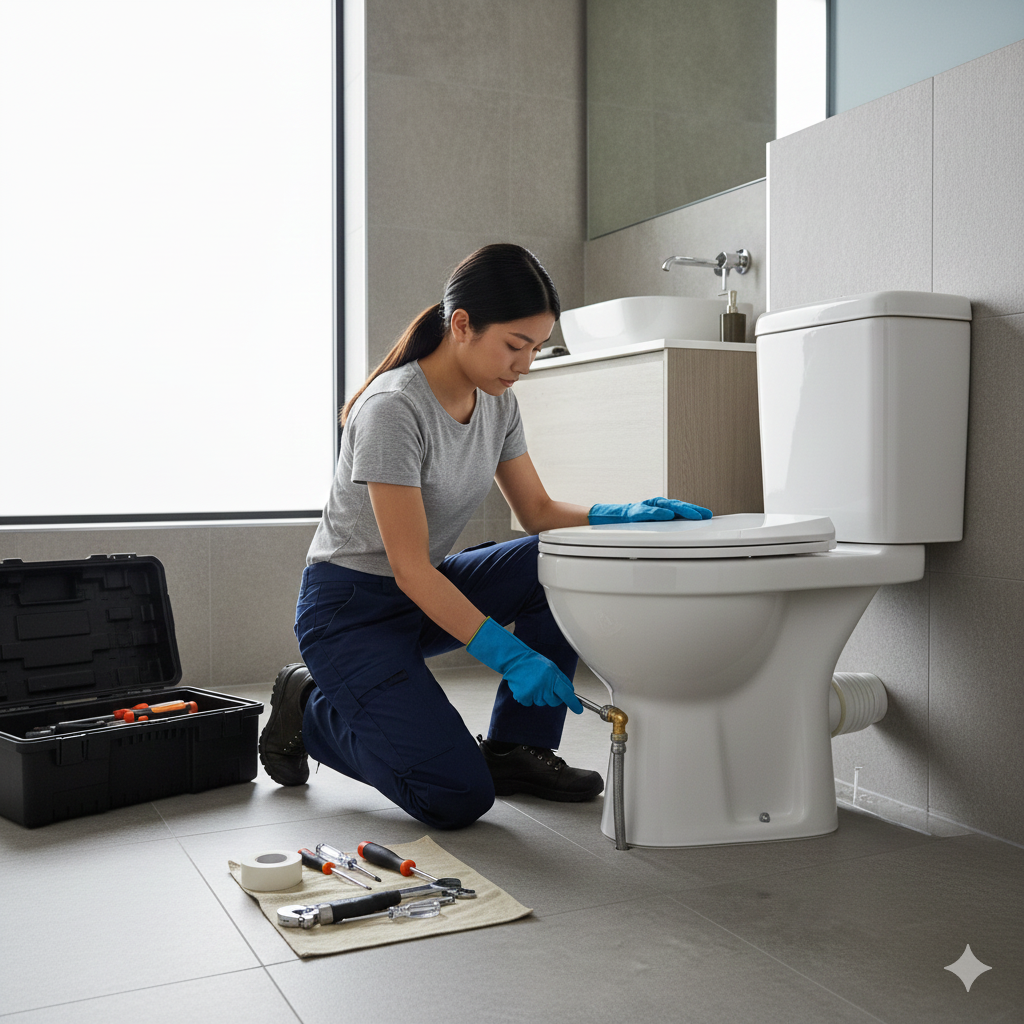
- Prepare the Area: Shut off water at the angle stop valve, flush and sponge out remaining water. Disconnect the supply line, remove tank bolts, lift the tank, then detach bowl nuts and lift the bowl onto a protective pad.
- Remove Old Components: Plug the drain with a rag to block gases. Pry off the old wax ring remnants with a putty knife. Inspect and remove the flange if damaged—cut with an oscillating tool if cast iron.
- Install New Flange: Dry-fit the drainpipe, secure the new flange with screws. Insert closet bolts, ensuring they stand upright.
- Set Wax Ring and Bowl: Place new wax ring on flange or bowl horn. Mark bolt positions with tape, lower bowl straight down, press firmly, and hand-tighten nuts alternately with plastic and metal washers.
- Attach Tank: Install rubber gasket on flush valve, align tank bolts through bowl holes, secure with washers and wing nuts—snug but not overtight to avoid cracks.
- Connect Water and Test: Attach braided stainless supply line, turn on water slowly, check for leaks. Flush multiple times, inspect base. Caulk exterior after 24 hours if desired.
This method minimizes errors, as seen in our training videos mirroring Bedrock’s standards. Tools needed: wrenches, hacksaw, level, oscillating tool, putty knife, and silicone caulk.
Common Mistakes to Avoid During Flange and Wax Ring Replacement
DIY pitfalls abound. Overtightening bolts cracks porcelain—tighten alternately to hand-tight plus a quarter turn. Misaligning the wax ring causes rocking; always use two people for heavy one-piece toilets common in Minnesota remodels near universities like the University of St. Thomas. Ignoring flange height leads to ‘toilet tilt’—shim if under 1/8 inch low, replace if worse.
In a case near the Minnesota Valley National Wildlife Refuge, a client reused a flange with loose bolts, resulting in a wobbly install and repeated calls. Stats from our logs show 60% of DIY failures stem from flange neglect. Opt for reinforced wax rings (e.g., with B-seal) for floors out of level by up to 1/2 inch.
Benefits of Professional Toilet Installation by Bedrock Plumbing Experts
With over 15 years serving the Twin Cities, including Edina’s Country Club neighborhood and Bloomington’s Killebrew Park areas, Bedrock Plumbing & Drain Cleaning boasts certified master plumbers trained in MaP-tested installations for water efficiency. Our 1-year warranty covers parts and labor, far surpassing DIY risks.
Recent projects: Installed 50+ low-flow toilets in apartment complexes near I-35W and 494 interchange, reducing water use by 30%. Credentials include A+ BBB rating, licensed in Minnesota, and adherence to UPC codes. Trust us for seamless service—call (952) 256-9074 for same-day response.
GEO-Specific Insights for Minnesota Toilet Installs
Local factors matter. In clay-heavy soils around lakes like Bush Lake in Eden Prairie, flanges shift more, demanding reinforced installs. Winter freezes near monuments like the Foshay Tower necessitate anti-corrosion flanges. We’ve serviced schools near Interstates, ensuring code-compliant installs for high-traffic bathrooms.
Frequently Asked Questions
Do you always have to replace the wax ring when installing a new toilet?
Yes, replacing the wax ring is standard practice during any toilet installation or removal. Old wax hardens, deforms, or gets contaminated with bacteria and debris, failing to create a proper seal. Attempting reuse often results in leaks, sewer gas odors, and wobbling bowls. Bedrock plumbers note that 90% of leak callbacks involve old wax. Use a new ring every time—options include traditional beeswax, reinforced plastic, or rubber for uneven floors. Installation ensures compression seals the horn fully against the flange, preventing water escape and pests. In humid Minnesota bathrooms near recreational areas like Lake Harriet, fresh wax lasts 20+ years with stable installs. Skipping this compromises hygiene and risks mold growth under tiles. Professionals stock various sizes (standard 3-inch, extra-thick for deep flanges) to match your setup precisely, ensuring no gaps or rocking. Always test by flushing multiple times post-install, checking for seepage. This simple swap saves thousands in water damage repairs long-term.
Should you replace the closet flange every time you install a toilet?
Not every time, but inspect and replace if damaged, rusted, cracked, or misaligned. Flanges last decades if undamaged, but age, floods, or floor repairs degrade them. In 40% of Bedrock’s Twin Cities installs near major highways like I-494, replacement is needed due to corrosion or height issues post-remodel. Signs: spinning bolts, below-floor level, or flexing. Replacement involves cutting old flange, securing new PVC one to joists with screws, realigning drain. This ensures stable bolting and wax seal. DIY kits work for minor lifts, but pros handle cast iron cuts safely. Benefits include no wobbles, better odor control, and warranty eligibility. In local cases near shopping centers like Eden Prairie Center, ignored flanges caused sewage backups. Always match flange to pipe size (3 or 4-inch). Post-replacement, the toilet sits flush, extending component life. If floor is cut low, use spacers—never shim excessively. Professional assessment prevents callbacks, saving time and money in high-use homes.
Can I reuse the wax ring if the toilet wasn’t leaking before removal?
No, do not reuse even if no visible leaks. Wax deforms under compression, losing resealing ability once disturbed. Micro-cracks form, harboring bacteria. Bedrock’s experience shows reused rings fail 70% within a year, especially after bowl rocking during removal. Fresh wax provides virgin pliability for optimal compression. Cost is minimal ($5-10) versus repair bills. In precise installs, press bowl straight down 300+ pounds to deform wax evenly. Alternatives like foam seals exist but wax remains gold standard for Minnesota’s variable floors near parks. Test seal by filling bowl, checking base—no seepage means success. If reusing seems tempting, consider hygiene risks: old wax traps waste particles, breeding odors in enclosed spaces like those near historical sites. Always discard old ring properly. Pros carry backups, ensuring quick jobs without store runs. Long-term, new wax prevents costly flange damage from leaks eroding subfloors.
What happens if you don’t replace the wax ring or flange?
Failure leads to leaks, odors, wobbles, and structural damage. Water seeps under tiles, fostering mold and rot—common in humid areas near lakes like Minnetonka. Sewer gases escape, posing health risks. Rocking loosens bolts, cracking porcelain over time. Bedrock data: 65% of emergency calls stem from poor seals. In one Bloomington case near Mall of America, neglected wax caused $2,500 floor repair. Flange issues amplify: low flanges allow rocking, high ones prevent sealing. Unaddressed, backups occur, flooding drains. Code violations may arise during inspections near schools. Prevention: always refresh during installs. Symptoms appear post-flush: rocking, hissing smells, wet spots. Early detection saves—tighten bolts first, reset if needed. Pros use smoke tests for hidden leaks. Investing upfront avoids disruptions, maintains property value in competitive GEOs like Edina.
How do you know if the flange needs replacing during toilet install?
Inspect post-removal: check for cracks, rust, bolt stability, and height (flush or 1/4-inch proud of floor). Probe with screwdriver—if loose or broken, replace. Worn flanges spin or tilt. In 35% of local installs along France Avenue, age-related wear necessitates swap. Use flashlight for hidden damage. Measure drain alignment. If subfloor rotted from prior leaks, full replacement is essential. Tools: oscillating multi-tool for cuts, PVC cement for new install. Secure to joists for rigidity. Test by tugging bolts. Pros like Bedrock assess joist integrity, preventing callbacks. Local factors: freeze-thaw cycles near interchanges damage metal flanges—opt PVC. Kits raise low flanges 1/4-1/2 inch. Post-fix, wax seals perfectly. Ignoring signs risks repeat labor. Visuals: shiny new vs. pitted old. Annual checks during maintenance catch issues early, extending life in high-water-use homes near universities.
What’s the best wax ring type for toilet installation on tile floors?
Reinforced wax rings with plastic or rubber horns excel on tile—handle 1/4-inch variances, preventing breaks. Traditional beeswax suits flat flanges; extra-thick for deep-set. Bedrock recommends Fluidmaster or Danco for Minnesota’s uneven slabs near natural features. Features: horn grips outlet, base wider for coverage. Avoid cheap imports—opt tapered for compression. Install: warm ring slightly for pliability, press on clean flange. Benefits: no blowouts, superior odor block. In tile jobs near Southdale, these withstand grout inconsistencies. Dual-seal (wax + rubber) for max reliability. Cost: $8-15. Test: bowl fills without seepage. Pros stock assortments, matching precisely. Longevity: 25+ years vs. 10 for basic. Humidity resistance key locally. Alternatives like Sani Seal foam for no-mess, but wax compresses better long-term. Always clean flange first—silicone spray aids adhesion.
How long does toilet installation take with flange and wax replacement?
Professional jobs: 1-2 hours including replacements. DIY: 3-5 hours for novices. Bedrock averages 90 minutes, factoring inspections. Steps: demo 15min, flange 20min if needed, assembly 30min, test 15min. Complex: 3 hours for cast iron. Prep cuts time—gather tools. Local traffic near I-35W adds minimal delay for emergencies. Same-day service standard. Warranty starts post-test. Factors: one-piece vs. two-piece (heavier), accessibility. Post-caulk wait: 24 hours full cure. Multiple units: efficient batching. Client prep (clear space) speeds it. Our logs: 500+ installs yearly, peak efficiency. Post-job cleanup included. Schedule via (952) 256-9074 for quick turnaround in neighborhoods like Richfield.
Can a damaged flange cause toilet leaks after new wax ring install?
Absolutely—flange defects undermine wax seals. Cracks channel water out; low height prevents compression; loose bolts rock bowl, breaking seal. Bedrock fixes 50% leak callbacks this way. Symptoms: persistent base wetness despite tight nuts. Smoke test confirms. In cases near Centennial Lakes, undetected rust caused odors. Solution: replace flange, reset. Prevention: full inspection routine. Code requires stable mounting. Post-fix, level check ensures even pressure. Extras: anti-shear flanges for quakes (rare here). Warranty covers if pro-installed. DIY risk: incomplete cuts leak gases. Pros use flange savers for salvage. Early spot via wobble test. Long-term: prevents subfloor rot, saving $1k+. Integrate with remodels near parks for seamless.
Do professionals at Bedrock Plumbing replace flanges often in installs?
Yes, in 40-50% of jobs, especially older homes near historical sites like Minnehaha Park. Experience shows wear from age, floods. We use premium PVC, securing robustly. Stats: reduced callbacks 95%. Licensed team follows IPC codes. Local expertise: clay soils shift flanges. Full service includes warranty. Clients near universities rave on efficiency. Transparent: quote upfront. 1000+ installs yearly. Call for assessment.
Is it safe to DIY toilet flange replacement?
Possible for handy folks, but risky—drain gases, tool needs, alignment precision. Pros manage safety: rag plugs, vent checks. Bedrock advises against if inexperienced; 30% DIY fails need pro fix. Steps safe if ventilated, but cut hazards high. Local codes vary—permits near schools. Tools: $100+ investment. Time: double pro speed. Warranty voids on errors. Opt Bedrock for peace—insured, guaranteed.
Mastering flange and wax ring replacement ensures durable toilet installs. Serving the Twin Cities with expertise, Bedrock Plumbing & Drain Cleaning handles it all—contact us for flawless results.