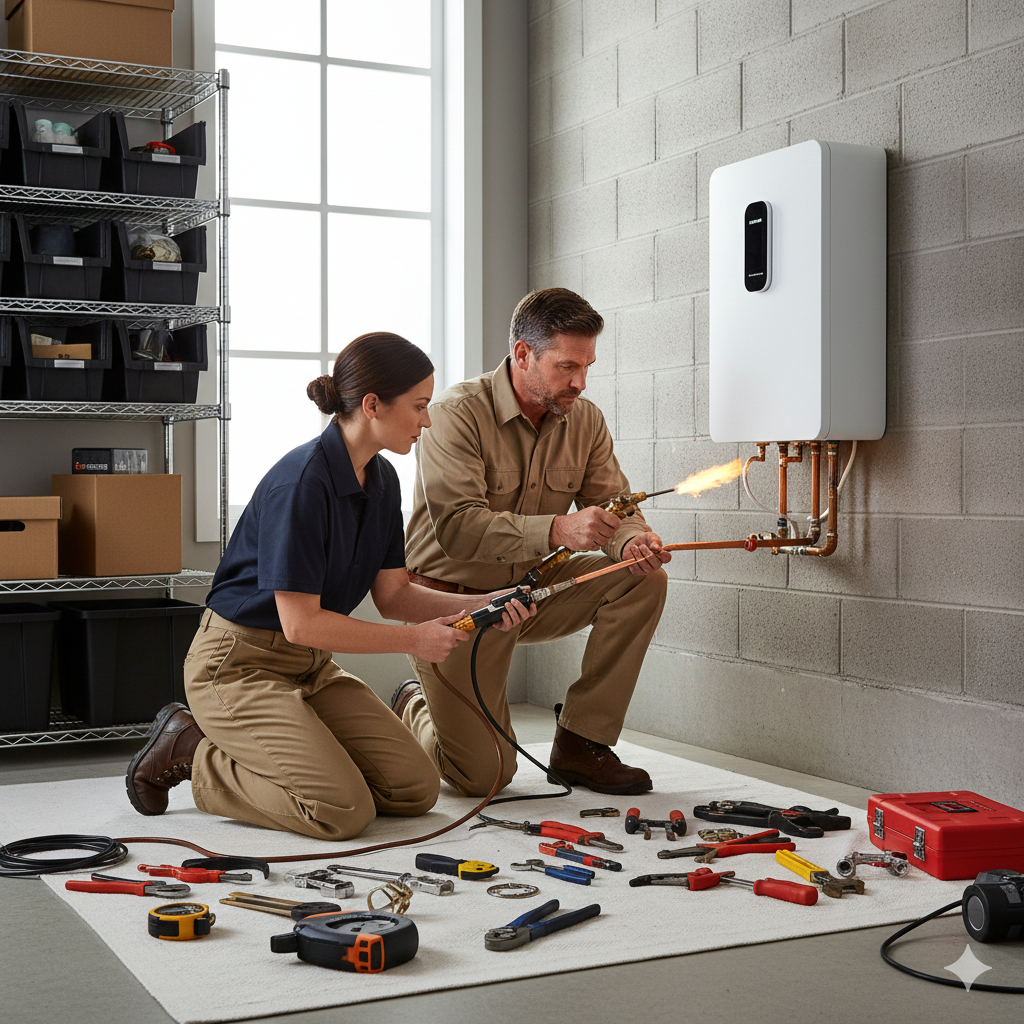
Water Heater Installation in St. Louis Park: What to Expect

Water Heater Installation in St. Louis Park

What to Expect During Water Heater Installation in St. Louis Park, MN

Imagine waking up on a chilly morning in St. Louis Park, MN, ready for a hot shower only to find your water heater has given out. Near landmarks like Wooddale Mall or along the busy Excelsior Boulevard, residents rely on dependable hot water, especially during Minnesota winters. At Bedrock Plumbing & Drain Cleaning: Trusted St. Louis Park Experts, our licensed plumbers have handled countless installations in neighborhoods like this, ensuring homes near Aquila Lake and St. Louis Park High School stay comfortable. This guide details exactly what to expect during water heater installation in St. Louis Park, MN, drawing from our hands-on experience serving the area around Highway 100 and Minnetonka Boulevard.

Why Water Heater Installation Matters in St. Louis Park

St. Louis Park’s unique climate, with harsh winters and humid summers, puts extra stress on water heaters. Homes in areas like Beltline Park or near Wolf Lake often face frozen pipes or sediment buildup from hard water common in the Twin Cities. When your unit fails, professional installation isn’t just a fix—it’s an upgrade opportunity. Our team at Bedrock Plumbing specializes in both standard tank water heaters and advanced tankless systems, tailored for local homes. We’ve seen firsthand how a properly installed system prevents issues like those during the heavy snows near Knollwood Shopping Center.

Expect a process that prioritizes safety and efficiency. Our licensed plumbers arrive promptly, even 24/7, from our base at 7000 Oxford St. Whether you’re in a cozy bungalow off West 47th Street or a larger home near Texas Instruments Park, we customize the installation to your property’s needs. This includes assessing gas lines for homes on natural gas grids or electrical setups for electric models prevalent in older St. Louis Park neighborhoods.

Initial Consultation and Assessment Phase

Your journey begins with a call to Bedrock Plumbing. Our experts schedule a rapid assessment, often same-day for emergencies. During this visit, the plumber inspects your current setup. In St. Louis Park, many homes built mid-century have tank-style heaters in basements or garages, prone to rust from the area’s mineral-rich water. We check for proper venting, expansion tanks, and relief valves—critical safety components.

For instance, in a recent job near Harmony Park, our technician discovered an undersized unit struggling to serve a family of five. We measured hot water demand, considering peak usage like multiple showers during morning rushes before commuting via I-394. Expect questions about household size, usage patterns, and preferences for gas, electric, or tankless. Tankless options shine here, providing endless hot water and saving space in compact homes near St. Louis Park Country Club.

We also evaluate your space. Basements near Elm Creek Park Reserve edges might need venting adjustments due to tight clearances. Our MN Licensed General Contracting Company (License #BC787322) ensures compliance with local codes, including those from St. Louis Park building inspectors who frequent areas like Brookside Garden.

Choosing the Right Water Heater for Your St. Louis Park Home

Selection is key. Standard tank water heaters hold 40-80 gallons, ideal for average families in single-story homes along Nationwide Boulevard. They heat water continuously but use more energy. Tankless water heaters, our specialty, heat on demand, cutting bills by up to 30%—vital with Minnesota’s high utility rates.

Gas models suit homes connected to CenterPoint Energy lines, common near Ridgeview Park. Electric tankless work well in all-electric setups, like condos by Ace Hardware on Excelsior. Hybrid heat pump systems offer efficiency for eco-conscious residents near Green Institute initiatives. We discuss warranties, typically 6-12 years, and energy factors like Uniform Energy Factor (UEF) ratings above 0.95 for top performers.

In one case near West End, a client upgraded to a gas tankless unit, enjoying instant hot water for laundry and dishes without the wait. Factors like water pressure from municipal supplies and proximity to Minnehaha Creek influence choices. Our plumbers recommend based on 24/7 service insights across Hopkins, Edina, and Plymouth too.

Preparation Before Installation Day

Prep minimizes downtime. Shut off water and power to the old unit. Clear space around it—remove boxes or storage common in garages near Shopko sites. For gas heaters, ensure pilot lights are off. We guide you via phone, advising on draining the tank to avoid floods, especially risky in basements prone to seepage during rains near Kelly Lake.

Discuss permits. St. Louis Park requires them for major installs; our team handles paperwork as a licensed contractor. Gather family during school hours at Peter Hobart Elementary to avoid disruptions. Stock bottled water and plan cold meals—installs take 4-8 hours typically.

Step-by-Step: What Happens During Installation

Day-of, our uniformed plumber arrives in a branded van, tools ready. Step 1: Removal. Disconnect lines, drain residual water, and haul away the old unit responsibly—Bedrock recycles metals per local regs.

Step 2: Site prep. Install drip pan under the new unit to catch leaks, expansion tank for pressure relief, and thermal expansion controls mandatory in closed-loop systems common in St. Louis Park. For tankless, we mount wall units high, routing gas or electric feeds.

Step 3: Connections. Hook up cold water inlet, hot outlet, gas line (with sediment trap), or electrical wiring to 240V breakers. Venting is crucial—power vents for indoor gas units or direct vents for efficiency. Near Interstate 394, noise levels matter; we choose quiet models.

Step 4: Testing. Fill the tank slowly, check for leaks, ignite burner or power on, and test temperatures at 120°F for safety. Flush sediment traps. In a Minnetonka-adjacent install, we pressure-tested to 100 PSI, ensuring no issues during freeze-thaws.

Safety first: Relief valves set to 150 PSI, pans connected to drains. Tankless setups include flow sensors for optimal performance.

Post-Installation Checks and Startup

Once running, we monitor for an hour. Teach you controls, maintenance like annual flushing to combat hard water from sources near Bass Lake. Set digital thermostats for efficiency. Provide manuals and our 24/7 contact.

Walkthrough covers error codes, filter changes for hybrids. In St. Louis Park’s variable weather, we advise insulation on pipes to prevent heat loss near exterior walls by Recreation Center.

Common Challenges in St. Louis Park Installs

Local quirks include tight attics in homes by Original Pancake House, requiring flexible venting. Hard water accelerates scaling; we recommend softeners. Older wiring in pre-1970s builds near Aquila Bowling may need upgrades. Gas conversions involve Xcel Energy coordination.

We’ve navigated slab foundations in ranch styles off Highwood Road, using compact tankless. Winter installs demand freeze protection, like heat tape on exposed lines.

Costs and Financing for St. Louis Park Residents

Expect $1,200-$4,500 total, varying by type. Standard tanks: $800-$2,000 parts/labor. Tankless: $2,000-$5,000, with rebates from utilities. Factors: location accessibility, venting needs. Transparent pricing—no surprises. Financing options available; call for quotes.

Maintenance Tips Post-Installation

Flush annually, test valves monthly. Monitor for noises indicating sediment. In St. Louis Park’s cold, insulate tanks. Extend life to 15+ years with care.

Bedrock offers maintenance plans. For tankless near Whole Foods, descale yearly.

Why Choose Bedrock for St. Louis Park Water Heater Installation

As a family-owned MN company serving seven Twin Cities counties, including St. Louis Park, Edina, and Minnetonka, we bring 24/7 reliability. Licensed experts (BC787322) focus on safety, efficiency. Professional Water Heater Installation Services by Bedrock Experts ensure seamless upgrades.

Our team-first culture delivers compassionate service, treating your home like our own near St. Louis Park Library.

Frequently Asked Questions

What types of water heaters does Bedrock install in St. Louis Park?

Bedrock Plumbing installs standard tank water heaters, tankless gas and electric models, energy-efficient hybrid systems, and complete upgrades including safety components like expansion tanks and relief valves. Tailored for St. Louis Park homes near Highway 100, our licensed plumbers ensure compatibility with local gas and electric supplies. Tankless options provide endless hot water, ideal for families in neighborhoods like those by Aquila Lake, reducing energy costs amid Minnesota’s climate. We handle retrofits seamlessly, venting properly for indoor spaces common in mid-century homes off Excelsior Boulevard. Expect expert guidance on selecting based on household size and usage, with installations compliant to city codes. Our 24/7 service from 7000 Oxford St means quick response for residents near Wooddale Mall. Upgrading to tankless not only saves space but lowers bills long-term, a smart choice for eco-aware St. Louis Park locals.

How long does water heater installation take in St. Louis Park?

Most installations by Bedrock take 4-8 hours, depending on unit type and site conditions. Standard tank replacements in accessible basements near Minnetonka Boulevard finish quicker, around 4 hours, including removal, connections, and testing. Tankless setups require more time for wall mounting and venting, up to 8 hours in tight spaces like garages by Knollwood Shopping Center. Factors include old unit removal, pipe adjustments for hard water areas, and code checks. Our efficient team minimizes disruption, often completing same-day for emergencies. Post-install testing ensures no leaks, vital in winter near Ridgeview Park. Prep your space beforehand for speed. We’ve streamlined processes across Twin Cities, serving St. Louis Park with promptness from our Oxford St base.

Do I need a permit for water heater installation in St. Louis Park, MN?

Yes, St. Louis Park requires permits for water heater replacements or major installs. As MN Licensed General Contractors (BC787322), Bedrock handles all permitting, inspections, and compliance. We coordinate with city officials familiar with areas like Beltline Park. Gas conversions or electrical upgrades trigger additional reviews. This ensures safety, preventing issues like improper venting common in older homes near West 47th Street. Our expertise avoids delays, getting you hot water fast. Post-permit, we test systems thoroughly. Trust our local knowledge for smooth processes in neighborhoods by St. Louis Park High School.

What are the signs I need a new water heater installation?

Look for no hot water, rusty or discolored output, leaks, strange noises like popping from sediment, or age over 10 years. In St. Louis Park’s hard water zones near Bass Lake, scaling accelerates failure. Low pressure or inconsistent temperatures signal issues. If your unit struggles during peaks, like family mornings before Hopkins commutes, upgrade time. Bedrock assesses free, recommending tankless for endless supply in homes by Wolf Lake. Early replacement prevents floods, especially risky in basements during thaws near I-394.

Is tankless water heater installation right for my St. Louis Park home?

Tankless excels in St. Louis Park for space-saving and efficiency, providing on-demand hot water without storage tanks. Ideal for larger families near Elm Creek, cutting energy use by 30%. Gas models suit piped homes; electric for others. Challenges like upfront cost offset by rebates and savings. Our plumbers install seamlessly, including flow sensors. Perfect for condos by West End or houses off Nationwide Boulevard needing compact solutions.

How much does water heater installation cost in St. Louis Park?

Costs range $1,200-$4,500, with standard tanks $800-$2,000, tankless $2,000-$5,000. Includes labor, parts, removal. Local factors like venting near Harmony Park add minor fees. Transparent quotes from Bedrock, financing available. Rebates from Xcel lower net. Value in longevity and efficiency for MN winters.

Can Bedrock handle emergency water heater installation 24/7?

Yes, our 24/7 emergency service covers St. Louis Park fully. From Oxford St, we respond fast to failures near Shopko sites. Licensed plumbers install promptly, restoring hot water overnight. Vital for winters by Recreation Center.

What safety features are included in Bedrock installations?

Every install features expansion tanks, relief valves, drip pans, proper venting, sediment traps. Temperature/pressure relief at 150 PSI. Code-compliant for St. Louis Park, preventing leaks or bursts in cold snaps near Kelly Lake.

How do I maintain my new water heater after installation?

Flush annually to remove sediment from hard water near Minnehaha Creek. Test valves monthly, insulate pipes, set 120°F. Bedrock offers plans. Tankless needs descaling. Extends life 15+ years in local conditions.

Does Bedrock serve areas beyond St. Louis Park like Edina or Minnetonka?

Yes, covering seven Twin Cities counties including Edina, Hopkins, Minnetonka, Plymouth, Wayzata. Full water heater services everywhere, with local expertise for each area’s codes and water quality.

Ready for Reliable Hot Water?

Don’t wait for cold showers in St. Louis Park. Contact Bedrock Plumbing today for expert water heater installation tailored to your home near local gems like Brookside Garden. Our proven process ensures safety, efficiency, and peace of mind.

Seasonal Water Heater Repair Tips to Keep Your System Running Without Interruptions

water heater repair

Keeping your water heater in top shape year-round requires attention and care through every season. Seasonal water heater repair near me can help you avoid unexpected breakdowns and keep your system running smoothly, ensuring you never run out of hot water when you need it most. Understanding what repairs and maintenance your water heater needs during different seasonal changes will not only improve its efficiency but also extend its lifespan. Below are essential water heater repair tips tailored for each season to help you stay ahead of issues and maintain consistent hot water supply.

Spring Water Heater Repair Tips: Prepare for Warmer Months

Spring is the perfect time to give your water heater some attention after the cold winter months and before the increased summer demand. Water heater repair in spring focuses on inspecting and cleaning your system to ensure it runs efficiently when the warmer weather arrives.

  • Inspect for leaks and corrosion: Check around the tank and all water connections for any signs of leakage or rust. Leaks may develop during winter due to freezing pipes or shifting foundations. Tightening loose fittings or repairing minor leaks early can prevent bigger problems later.
  • Flush sediment buildup: Over time, sediment accumulates at the bottom of the water heater tank, reducing heating efficiency and potentially causing damage. Flushing the tank in spring clears out this sediment, preparing your unit for optimal performance in the months ahead.
  • Adjust thermostat settings: As outdoor temperatures rise, you can often reduce your water heater’s thermostat setting to save energy without sacrificing comfort. A good setting is around 120°F for effective hot water and energy savings.

Spring water heater repair tasks performed now help ensure you avoid costly issues during summer’s peak use and maintain a reliable hot water supply.

Summer Water Heater Repair Tips: Enhance Efficiency During Peak Use

Summer brings an increase in water heater usage for showers, cleaning, and more. Proper maintenance and quick water heater repair are critical during this season to avoid interruptions caused by wear or overload.

  • Monitor temperature settings carefully: Keeping your water heater thermostat at a moderate setting prevents overheating and unnecessary energy consumption. During summer, a setting around 120°F helps conserve energy.
  • Address any corrosion on the anode rod: The anode rod prevents rust inside the tank but wears out over time. Inspecting the rod and replacing it if excessively corroded protects your water heater from internal damage, avoiding bigger repair needs.
  • Clean the surrounding area: Dust and debris around the unit can pose fire risks or interfere with heating elements. Regularly cleaning the area keeps your water heater safe and efficient.

Proactive summer water heater repair means your system can handle increased demand reliably without frequent breakdowns or high energy bills.

Fall Water Heater Repair Tips: Get Ready for Colder Weather

As temperatures drop in the fall, preparing your water heater for winter is crucial. Timely water heater repair at this stage can help prevent cold-weather problems like freezing pipes and pumps working harder than necessary.

  • Insulate exposed pipes: Adding insulation to water heater pipes reduces heat loss while preventing freezing, which can cause pipe bursts or leaks.
  • Check pressure relief valve: Test this valve for proper operation to ensure safety during the winter months when temperature and pressure fluctuations are common.
  • Examine thermostat and heating elements: Ensure the thermostat is accurately calibrated and heating elements are functioning properly, so your heater won’t struggle when cold weather increases demand.

These fall water heater repair actions protect your system from winter damage and cut down on emergency repairs when temperatures plunge.

Winter Water Heater Repair Tips: Keep Hot Water Flowing in the Cold

Winter can be tough on your water heater, and when it fails, it becomes an urgent problem. Water heater repair during winter focuses on keeping your system operational and preventing cold-related damage.

  • Regularly check for leaks: Inspect waterlines and connections frequently for leaks caused by freezing or expansion from cold temperatures.
  • Increase thermostat settings only moderately: While you may need to raise your water heater temperature to compensate for colder water input, avoid setting it too high as this can stress the system and increase energy costs.
  • Prevent sediment buildup: Sediment settles faster in colder temperatures, so flushing the tank twice a year (including during winter) helps maintain efficiency and prevents corrosion.

By tackling these winter-specific water heater repair needs on time, you will ensure that your home continues to have reliable hot water despite the cold.

General Water Heater Repair and Maintenance Tips for All Seasons

Regardless of the season, some water heater repair and maintenance tasks should always be on your radar for long-term performance:

  • Schedule professional inspections: Annual professional water heater repair inspections identify and fix small problems before they escalate.
  • Watch for warning signs: Strange noises, inconsistent water temperature, leaks, or reduced hot water supply can signal needed repairs.
  • Keep the area clean: Dust and debris can obstruct efficiency and create unsafe conditions.
  • Monitor the anode rod regularly: Replace it every few years to prevent tank corrosion.

Timely attention to these aspects throughout the year will keep your water heater working smoothly and prevent costly replacements.

By following these seasonal water heater repair and maintenance tips, you keep your system running efficiently without interruptions through every season. Staying proactive with inspection, cleaning, and minor repairs will save money and stress, ensuring hot water is always available when you need it most.

Bedrock Plumbing & Drain Cleaning

7000 Oxford St, St Louis Park, MN 55426, United States

(952) 900-3807

https://bedrockplumbers.com/plumbing-company-st-louis-park-mn/

Water Heater Repair: Preventing Leaks and Water Damage

water heater repair

A water heater is one of those household essentials you rarely think about—until something goes wrong. When leaks appear, they don’t just mean a cold shower; they can quickly lead to costly water damage, mold, and even structural problems in your home. Understanding the basics of water heater repair, recognizing the warning signs, and knowing how to prevent leaks can save you from major headaches down the road.

Why Water Heater Leaks Happen

Water heaters are built to last, but over time, wear and tear can take a toll. The most common causes of leaks include:

  • Corrosion: Over years, the inside of the tank can rust, leading to pinhole leaks.
  • Loose connections: Pipes and fittings can loosen due to vibration or age.
  • Faulty valves: Pressure relief and drain valves are frequent leak culprits.
  • Sediment buildup: Minerals from your water supply settle at the bottom, causing overheating and cracks.
  • High water pressure: Excessive pressure inside the tank can force water out through weak points.

If you notice puddles near your water heater or hear hissing sounds, it’s time to act fast. Ignoring these signs can lead to extensive water damage and the need for expensive water heater repair.


Step-by-Step: What To Do If Your Water Heater Leaks

  1. Turn off the power: For electric heaters, switch off the breaker. For gas, turn the gas valve to “off.”
  2. Shut off the water supply: Find the cold water valve above the heater and turn it clockwise.
  3. Drain the tank: Attach a hose to the drain valve at the bottom and direct it to a safe location.
  4. Identify the leak source: Check all connections, valves, and the tank itself.
  5. Call a professional: If you can’t find or fix the leak, contact a trusted expert in water heater repair.

Preventing Water Heater Leaks

Prevention is always better than cure. Here’s how you can keep your water heater running smoothly and avoid leaks:

  • Schedule annual maintenance: Have a professional inspect your heater, flush the tank, and check all valves.
  • Check the pressure relief valve: This safety feature releases excess pressure; make sure it’s not leaking or stuck.
  • Flush out sediment: Draining a few gallons from your tank every year helps prevent buildup that can cause cracks.
  • Inspect connections: Tighten any loose pipes or fittings.
  • Monitor water pressure: Install a gauge to ensure pressure stays within safe limits.

By following these steps and relying on experienced professionals like those at Bedrock Plumbing & Drain Cleaning, you can greatly reduce your risk of leaks and water damage.

Signs You Need Water Heater Repair

Not all water heater issues are obvious. Here are some warning signs that you may need water heater repair:

  • Rusty water: If hot water from your taps is discolored, your tank may be corroding.
  • Strange noises: Rumbling or popping sounds often mean sediment has built up inside.
  • Inconsistent temperatures: If your water isn’t as hot as it used to be, or fluctuates, something’s wrong.
  • Visible leaks or moisture: Even a small drip can indicate a bigger problem.
  • Low water pressure: Sediment or corrosion can block water flow.

Ignoring these symptoms can lead to bigger, more expensive problems. Don’t wait until you’re dealing with a flooded basement—call a professional for water heater repair as soon as you notice something’s off.

The Role of Professional Water Heater Repair

DIY fixes can sometimes solve minor issues, but water heaters are complex and potentially dangerous. Professionals from Bedrock Plumbing & Drain Cleaning have the tools and experience to:

  • Diagnose the exact cause of leaks
  • Safely replace faulty valves or pipes
  • Flush the tank and remove sediment
  • Repair or replace corroded components
  • Ensure all repairs meet safety standards

Trusting experts not only keeps your home safe but also extends the life of your water heater.

Common Water Heater Leak Locations

Knowing where leaks typically occur can help you spot problems early:

  • Top of the tank: Usually from loose inlet/outlet connections or faulty valves.
  • Bottom of the tank: Often a sign of internal corrosion or a cracked tank—this usually means replacement is needed.
  • Temperature and pressure relief valve: If water is dripping here, the valve may be faulty or the tank is over-pressurized.
  • Drain valve: Leaks here can often be fixed by tightening or replacing the valve.

If you find water in any of these areas, don’t hesitate to call for water heater repair.

How Water Heater Leaks Cause Water Damage

Even a small leak can wreak havoc if left unchecked. Here’s how:

  • Mold and mildew: Moisture creates a breeding ground for harmful mold.
  • Structural damage: Water can seep into floors, walls, and foundations, weakening your home’s structure.
  • Electrical hazards: Water near electrical components is a serious safety risk.
  • High utility bills: Leaks waste water and energy, driving up costs.

Addressing leaks promptly with professional water heater repair near me is the best way to protect your home and wallet.

Water Heater Maintenance Tips

Keeping your water heater in top shape doesn’t have to be complicated. Here are some easy maintenance tips:

  • Check for leaks monthly: Look for moisture, rust, or puddles around your heater.
  • Test the pressure relief valve: Lift the lever to make sure water flows out and stops when you release it.
  • Drain and flush the tank annually: This removes sediment and helps prevent corrosion.
  • Inspect the anode rod: This part attracts corrosive elements and should be replaced every few years.
  • Insulate pipes and the tank: This helps prevent heat loss and reduces the risk of freezing in winter.

Regular maintenance not only prevents leaks but also improves efficiency and extends the life of your water heater.

When to Replace Your Water Heater

Sometimes, repair isn’t enough. If your water heater is more than 10-12 years old, leaks from the tank itself, or needs frequent repairs, replacement may be the best option. Modern units are more energy-efficient and can save you money in the long run.

FAQs About Water Heater Repair, Leaks, and Water Damage

Immediately turn off the power supply (electricity or gas) and shut off the cold water valve leading to the heater. This stops more water from entering the tank and prevents further damage. Then, call a professional for water heater repair.

Carefully inspect the top and bottom of the tank, all pipe connections, the temperature and pressure relief valve, and the drain valve. Look for moisture, rust, or active drips. If you can’t find the source, a plumber can help.

Minor fixes like tightening a loose connection or replacing a valve may be safe if you’re handy. However, most repairs—especially anything involving electricity, gas, or the tank itself—should be left to professionals to avoid injury or further damage.

Annual maintenance is recommended. This includes flushing the tank, checking all valves, and inspecting for leaks or corrosion. Regular service helps prevent leaks and extends the life of your unit.

If your unit is over 10 years old, leaks from the tank, produces rusty water, or needs frequent repairs, it’s usually more cost-effective to replace it.

Yes, even small leaks can create enough moisture for mold to grow, especially in hidden areas like basements or utility closets. Prompt water heater repair and cleanup are essential to prevent mold problems.

Schedule regular inspections, flush the tank annually, check all valves and connections, and monitor water pressure. Installing a drip pan and leak detector can also help catch problems early.

The pressure relief valve is a safety device that releases excess pressure from the tank. If it’s leaking, it may be faulty, or the tank could be over-pressurized. Both situations require prompt attention.

Wipe up the water and monitor the area. If it returns, or if you notice rust or corrosion, call a professional for a thorough inspection and water heater repair.

If water is rapidly pooling, the tank is making strange noises, or you smell gas, turn off the power and water supply immediately and call a plumber. Quick action can prevent serious water damage and safety hazards.

By staying proactive with regular maintenance and knowing when to call in the experts, you can keep your water heater running efficiently and your home protected from leaks and water damage. 

Bedrock Plumbing & Drain Cleaning

7000 Oxford St, St Louis Park, MN 55426, United States

(952) 900-3807

https://bedrockplumbers.com/plumbing-company-st-louis-park-mn/

Water Heater Replacement: How Regular Maintenance Extends Lifespan

water heater replacement

When it comes to home comfort, a water heater is one of those unsung heroes that we often take for granted—until it stops working. The inconvenience of a cold shower or no hot water at all can quickly turn into a major disruption. Many homeowners face the dilemma of whether to repair or opt for a water heater replacement. However, the good news is that with regular maintenance, you can significantly extend the lifespan of your water heater and delay the need for a costly replacement.

At Bedrock Plumbing & Drain Cleaning, we often see water heaters prematurely failing due to neglect. This blog will walk you through how simple, routine care can keep your water heater running efficiently for years, saving you money and hassle in the long run.

Why Regular Maintenance Matters for Your Water Heater

Your water heater works hard every day to provide hot water for showers, washing dishes, laundry, and more. Over time, sediment, minerals, and corrosion can build up inside the tank and on heating elements, reducing efficiency and causing wear. Without regular maintenance, these issues worsen, leading to frequent repairs or the need for a full water heater replacement.

Proper maintenance helps prevent sediment buildup, protects against corrosion, and ensures all components function safely. This not only improves performance but also extends the life of your water heater. Instead of facing an unexpected breakdown, you can enjoy consistent hot water and peace of mind.

Key Maintenance Tasks to Extend Your Water Heater’s Lifespan

1. Flush the Tank Regularly

One of the most important maintenance steps is flushing your water heater tank at least once a year. Sediment from minerals in your water settles at the bottom of the tank, which can insulate the heating element and reduce efficiency. Over time, this sediment can cause damage that leads to leaks and the need for a water heater replacement.

Flushing removes this buildup, allowing your water heater to heat water more effectively and last longer. It’s a simple task that can be done by homeowners comfortable with basic plumbing or by professionals like Bedrock Plumbing & Drain Cleaning.

2. Check and Replace the Anode Rod

Inside your water heater is an anode rod, a metal piece that attracts corrosive elements in the water to protect the tank from rusting. Over time, the anode rod corrodes and loses effectiveness. If not replaced, the tank itself will start to rust, drastically shortening the water heater’s life and forcing an early water heater replacement.

Checking the anode rod every 2-3 years and replacing it as needed is a small investment that can add years to your water heater’s lifespan.

3. Adjust the Thermostat Temperature

Setting your water heater’s thermostat too high can cause unnecessary wear and increase energy bills. Experts recommend keeping the temperature around 120 degrees Fahrenheit. This setting provides enough hot water for daily use while reducing stress on the heating elements.

Lowering the temperature not only saves energy but also helps prevent overheating, which can lead to premature failure and the need for a water heater replacement.

4. Inspect the Pressure Relief Valve

The temperature-pressure (T&P) relief valve is a safety feature that releases excess pressure inside the tank. If this valve malfunctions or gets clogged, it can cause dangerous pressure buildup and damage your water heater.

Regularly testing the pressure relief valve ensures it works properly and protects your water heater from failure. If the valve is faulty, replacing it promptly can prevent costly repairs or the need for a full water heater replacement.

5. Use a Water Softener if You Have Hard Water

Hard water contains minerals like calcium and magnesium that cause scale buildup inside your water heater. This scale damages heating elements and reduces efficiency, leading to early wear and the need for a water heater replacement.

Installing a water softener helps prevent scale buildup, protecting your water heater and extending its lifespan.

Signs You Might Need a Water Heater Replacement

Even with the best maintenance, water heaters don’t last forever. Typical tank-style water heaters have an average lifespan of 8 to 12 years. If your water heater is older than this or shows signs of serious problems, replacement might be the best option.

Watch for these warning signs:

  • Frequent repairs or leaks
  • Rust-colored or metallic-smelling water
  • Inconsistent hot water or insufficient heating
  • Strange noises like rumbling or popping
  • Visible corrosion on the tank

If you notice these issues, it’s wise to contact professionals like Bedrock Plumbing & Drain Cleaning to inspect your system. Sometimes, a water heater replacement is more cost-effective than ongoing repairs.

How Professional Maintenance Services Help

While some maintenance tasks can be performed by homeowners, professional inspection and servicing are invaluable. Experts can:

  • Thoroughly flush and clean your tank
  • Inspect and replace the anode rod
  • Test safety valves and thermostats
  • Check for leaks and corrosion
  • Provide advice on water softening and insulation

Regular professional maintenance from a trusted company like Bedrock Plumbing & Drain Cleaning helps catch problems early and keeps your water heater running efficiently, delaying the need for a water heater replacement.

Tips for Maximizing Your Water Heater’s Lifespan

  • Schedule annual maintenance checks
  • Flush the tank every 6 to 12 months
  • Keep thermostat at recommended temperature
  • Inspect anode rod every 2-3 years
  • Use a water softener if you have hard water
  • Insulate your water heater and pipes to reduce heat loss
  • Turn off the water heater if you’re away for an extended period

Following these tips can save you money on energy bills and repairs, while also extending the life of your water heater.

FAQs About Water Heater Replacement and Maintenance

You should flush your water heater tank at least once a year to remove sediment buildup. In areas with hard water, flushing every six months is recommended to prevent scale accumulation.

The anode rod is a metal rod inside your water heater that attracts corrosive elements in the water, protecting the tank from rust. Checking and replacing the anode rod every 2-3 years is crucial to avoid tank corrosion and premature failure.

If your water heater is over 10 years old, has frequent leaks, rust, inconsistent heating, or requires constant repairs, it may be time for a water heater replacement.

Some tasks like flushing the tank and adjusting the thermostat can be done by homeowners comfortable with basic plumbing. However, professional maintenance is recommended for thorough inspections and safety checks.

Hard water causes mineral scale buildup inside the tank and on heating elements, reducing efficiency and causing damage. Using a water softener can protect your water heater and extend its lifespan.

Setting your water heater thermostat to around 120 degrees Fahrenheit balances energy efficiency and safety. Higher temperatures can cause faster wear and increase scalding risk.

Regular maintenance, including flushing the tank, checking the anode rod, inspecting valves, and controlling temperature, is the best way to prevent unexpected breakdowns and delay the need for a water heater replacement.

By understanding the importance of regular maintenance and knowing the key tasks to perform, you can keep your water heater running smoothly for many years. When the time does come for a water heater replacement near me, you will be prepared to make the best decision for your home and budget. For expert service and reliable maintenance, Bedrock Plumbing & Drain Cleaning is here to help you every step of the way.


Bedrock Plumbing & Drain Cleaning

7000 Oxford St, St Louis Park, MN 55426, United States

(952) 900-3807

https://bedrockplumbers.com/plumbing-company-st-louis-park-mn/

Water Heater Installation Made Easy: What Homeowners Should Know

water heater installation

When it comes to home comfort, few things are as essential as a reliable supply of hot water. Whether you’re upgrading your current unit, replacing a failing system, or installing one for the first time, water heater installation near me is a significant project that requires careful planning and attention to detail. At Bedrock Plumbing & Drain Cleaning, we understand how important it is for homeowners to feel confident and informed throughout the process. This guide will walk you through everything you need to know about preparing your home for a new water heater system, from initial planning to the final checks.

Understanding Water Heater Installation

Water heater installation is more than just swapping out an old tank for a new one. It’s a process that involves evaluating your home’s needs, choosing the right type and size of heater, and ensuring safe, code-compliant connections to your plumbing and electrical or gas systems. A successful installation not only guarantees hot water on demand but also helps you avoid leaks, inefficient heating, or even safety hazards down the line.

Why Proper Preparation Matters

Before any work begins, preparation is key. Properly preparing your home for water heater installation ensures the process goes smoothly and minimizes the risk of future problems. This includes clearing the installation area, gathering the right tools and materials, and understanding the steps involved. Taking the time to prepare can save you money, time, and headaches in the long run.

Assessing Your Current System

The first step in any water heater installation is assessing your current system. This involves checking the age and condition of your existing heater, evaluating your household’s hot water needs, and determining if any upgrades are necessary. If your old unit is leaking, producing rusty water, or struggling to keep up with demand, it’s probably time for a replacement.

Choosing the Right Water Heater

Selecting the right water heater for your home is crucial. There are several types to consider:

  • Tank Water Heaters: The most common type, these store and heat a large volume of water.
  • Tankless Water Heaters: These heat water on demand, offering energy efficiency and endless hot water.
  • Hybrid and Heat Pump Water Heaters: These use advanced technology to maximize efficiency.

When choosing a new system, consider factors like fuel type (gas or electric), capacity, energy efficiency, and installation requirements. Bedrock Plumbing & Drain Cleaning can help you evaluate your options and select the best fit for your home.

Preparing the Installation Area

Clear the area around your current water heater. Remove any items that might obstruct access and ensure there’s enough space for the new unit. Check for proper ventilation, especially if you’re installing a gas water heater. Adequate ventilation is essential for safety and optimal performance.

Gathering Tools and Materials

A successful water heater installation requires the right tools and materials. Common items include:

  • Pipe wrenches and adjustable wrenches
  • Screwdrivers (flathead and Phillips)
  • Teflon tape and pipe thread sealant
  • Pipe fittings and adapters
  • Pipe cutter
  • Soldering kit (for copper pipes)
  • Safety equipment (gloves, goggles)
  • Water heater pan and expansion tank (if required)

Having everything on hand before you start can prevent unnecessary delays.

Shutting Off Utilities

Safety comes first. Before removing your old water heater, shut off the water supply to your home. For electric heaters, turn off the power at the breaker panel. For gas heaters, turn off the gas supply. Double-check that all utilities are off before proceeding.

Draining and Removing the Old Water Heater

Connect a garden hose to the drain valve at the bottom of your old heater and run it to a floor drain or outside. Open a hot water faucet in your home to allow air into the system, then open the drain valve and let the tank empty completely. Once drained, disconnect the water and power or gas lines. Carefully remove the old unit and set it aside for disposal.

Inspecting and Preparing Connections

Before installing your new water heater, inspect the existing plumbing and electrical or gas connections. Look for signs of corrosion, leaks, or outdated components. Make any necessary repairs or upgrades to ensure a safe and reliable installation.

Positioning the New Water Heater

Place the new water heater in the designated spot, making sure it’s level and has adequate clearance on all sides. If required by code or recommended by the manufacturer, set a drain pan underneath the unit to catch any leaks. For gas heaters, ensure proper venting and clearances from combustible materials.

Installing the Pressure Relief Valve and Expansion Tank

Attach the temperature and pressure relief valve to the designated fitting on your new heater. This safety device prevents excessive pressure buildup inside the tank. If your plumbing system requires an expansion tank, install it on the cold water supply line according to the manufacturer’s instructions.

Connecting Water Supply Lines

Use Teflon tape or pipe thread sealant on all threaded connections to prevent leaks. Connect the cold water supply line to the inlet and the hot water line to the outlet. Double-check that all connections are secure and properly tightened.

Reconnecting Power or Gas Supply

For electric water heaters, connect the electrical wires to the terminals on the unit, following the manufacturer’s wiring diagram. For gas heaters, connect the gas line and check for leaks using a soap solution. Never use an open flame to test for gas leaks.

Filling and Testing the System

Open the cold water supply valve and allow the tank to fill. Open a hot water faucet in your home to let air escape from the system. Once water flows steadily from the faucet, close it. Inspect all connections for leaks and tighten as needed.

Setting the Temperature

Set the thermostat to the manufacturer’s recommended temperature, usually around 120°F (49°C). This provides comfortable hot water while minimizing the risk of scalding and reducing energy consumption.

Final Checks

Before considering the job complete, perform a thorough inspection. Check all connections for leaks, verify the unit is operating correctly, and ensure safety devices like the pressure relief valve are functioning. Clean up the work area and dispose of the old water heater according to local regulations.

Maintenance Tips for Longevity

Regular maintenance can extend the life of your water heater and ensure it operates efficiently. Flush the tank annually to remove sediment buildup, check the anode rod for corrosion, and inspect all connections for leaks. If you notice any issues, contact Bedrock Plumbing & Drain Cleaning for professional service.

Common Challenges and How to Overcome Them

Even with careful preparation, challenges can arise during water heater installation. Here are some common issues and how to address them:

  • Leaking Connections: Double-check all fittings and use Teflon tape or pipe thread sealant as needed.
  • No Hot Water: Ensure the power or gas supply is connected and the thermostat is set correctly.
  • Strange Noises: Sediment buildup can cause popping or rumbling sounds. Flushing the tank usually resolves this.

If you encounter problems you can’t resolve, it’s best to call a professional plumber.

Upgrading to a Tankless System

Many homeowners are choosing to upgrade to tankless water heaters for their energy efficiency and endless hot water supply. While the installation process is similar, tankless units often require additional electrical or gas upgrades and specialized venting. Bedrock Plumbing & Drain Cleaning can assess your home’s suitability for a tankless system and handle the installation from start to finish.

Ensuring Code Compliance

Local building codes and manufacturer guidelines exist for a reason: safety. Always follow these requirements during water heater installation. This may include installing seismic straps, using specific materials, or obtaining permits. If you’re unsure about any aspect of the process, consult a licensed plumber.

The Role of Professional Installation

While some homeowners feel comfortable tackling a water heater installation as a DIY project, there are many benefits to hiring a professional. Experienced plumbers have the tools, knowledge, and training to ensure a safe, efficient, and code-compliant installation. They can also identify potential issues before they become costly problems.

Environmental Considerations

Modern water heaters are designed to be more energy-efficient than older models. Upgrading to a high-efficiency unit can reduce your home’s energy consumption and lower utility bills. Consider recycling your old water heater and choosing a new system with a high Energy Factor (EF) rating.

Cost Factors to Consider

The cost of water heater installation varies depending on the type of system, the complexity of the installation, and any necessary upgrades to your home’s plumbing or electrical systems. While it may be tempting to choose the cheapest option, investing in quality materials and professional installation can save you money in the long run by preventing leaks, breakdowns, and inefficiencies.

Preparing for Future Maintenance

Once your new water heater is installed, keep the area around it clear for easy access during maintenance or repairs. Familiarize yourself with the location of shut-off valves and circuit breakers, and keep a record of the installation date and warranty information.

When to Replace Your Water Heater

While regular maintenance can extend the life of your water heater, all units eventually need to be replaced. Signs it’s time for a new system include:

  • Rusty or discolored water
  • Reduced hot water supply
  • Unusual noises
  • Visible leaks or corrosion

If you notice any of these issues, contact Bedrock Plumbing & Drain Cleaning for an assessment.

The Bedrock Plumbing & Drain Cleaning Difference

At Bedrock Plumbing & Drain Cleaning, we pride ourselves on delivering expert service and honest advice. Our team is committed to making your water heater installation as smooth and stress-free as possible. From helping you choose the right system to handling every detail of the installation, we’re here to ensure your home stays comfortable and efficient.


Bedrock Plumbing & Drain Cleaning

7000 Oxford St, St Louis Park, MN 55426, United States

(952) 900-3807

https://bedrockplumbers.com/plumbing-company-st-louis-park-mn/

Tankless Water Heater Installation: Environmental Benefits for Eco-Friendly Homes

Tankless Water Heater Installation

As more homeowners seek sustainable solutions, tankless water heater installation has emerged as a leading choice for eco-friendly homes. Unlike traditional water heaters that store and constantly heat large amounts of water, tankless systems heat water only when needed. This shift in technology not only saves energy but also significantly reduces the environmental impact of daily living.

How Tankless Water Heater Installation Works

A tankless water heater installation involves setting up a compact unit that heats water on demand. When you turn on the hot water tap, cold water travels through the unit, where either a gas burner or an electric element heats it instantly. There’s no need for a bulky storage tank, and the system delivers a continuous supply of hot water without the energy waste associated with keeping a tank hot all day.

Energy Efficiency: The Core Environmental Benefit

One of the most significant advantages of tankless water heater installation is the dramatic boost in energy efficiency. Traditional water heaters suffer from “standby heat loss”—the energy wasted keeping water hot in the tank, even when you’re not using it. Tankless systems eliminate this loss by heating water only when you need it.

  • Energy Savings: Tankless water heaters can be up to 34% more energy-efficient than traditional models, depending on your household’s water usage.
  • Lower Utility Bills: With less energy wasted, homeowners often notice a decrease in their monthly energy bills after switching to a tankless system.
  • Reduced Carbon Footprint: By using less energy, your home releases fewer greenhouse gases, making a tangible difference for the planet.

Water Conservation: Less Waste, More Sustainability

Eco-friendly living isn’t just about saving energy—it’s also about reducing water waste. Tankless water heater installation helps in several ways:

  • Instant Hot Water: Because the system heats water on demand, you don’t have to let the tap run while waiting for hot water to arrive. This saves gallons of water every week.
  • No Tank Flushing: Traditional tanks require regular flushing to remove sediment, which wastes both water and energy. Tankless systems need far less maintenance of this kind.
  • Smart Technology: Many modern tankless systems include features that further minimize water and energy waste, such as programmable settings and remote controls.

Durability and Longevity: Less Waste in Landfills

Another environmental benefit of tankless water heater installation is the extended lifespan of these units. While traditional tank heaters typically last 10-15 years, tankless models can operate reliably for 20 years or more with proper maintenance.

  • Fewer Replacements: Fewer units end up in landfills, reducing electronic and metal waste.
  • Lower Resource Use: Manufacturing fewer replacement heaters means less resource extraction and pollution over time.

Space-Saving Design for Modern Homes

Tankless water heaters are compact and can be installed in tight spaces, on walls, or even outdoors. This space-saving design is not just convenient—it also reduces the materials needed for installation and frees up room in your home for other uses.

  • Flexible Installation: Whether you have a small utility closet or want to maximize garage space, tankless units fit where traditional tanks can’t.
  • Aesthetic Appeal: With less visible equipment, your home maintains a cleaner, more modern look.

Reduced Greenhouse Gas Emissions

Every kilowatt-hour of energy saved translates into fewer emissions from power plants. By choosing tankless water heater installation, you directly contribute to lowering your home’s carbon footprint.

  • Cleaner Energy Use: Many tankless water heaters are compatible with solar power and other renewable energy sources, further reducing emissions.
  • Community Impact: If more homes in your neighborhood make the switch, the collective reduction in emissions can be substantial.

Financial Incentives and Rebates

Many local and federal programs offer rebates or incentives for eco-friendly upgrades like tankless water heater installation. These incentives make it easier to invest in green technology while saving money upfront.

  • Tax Credits: Some homeowners qualify for state or federal tax credits related to energy-efficient home improvements.
  • Utility Rebates: Check with your local utility provider for rebates on energy-saving appliances.

Comfort and Convenience for Modern Living

Beyond environmental benefits, tankless water heater installation near me provides practical advantages for daily life:

  • Endless Hot Water: No more cold showers when the tank runs out—tankless systems provide hot water as long as you need it.
  • Consistent Temperature: Advanced controls mean you get the perfect temperature every time.
  • Low Maintenance: Fewer parts and no tank mean fewer breakdowns and less hassle.

The Role of Bedrock Plumbing & Drain Cleaning

When considering tankless water heater installation, choosing a trusted local expert is essential. Bedrock Plumbing & Drain Cleaning, found at https://bedrockplumbers.com/plumbing-company-st-louis-park-mn/, specializes in eco-friendly home solutions and can guide you through the process from selection to installation and maintenance.

  • Expert Advice: Get recommendations tailored to your home’s size, water usage, and energy goals.
  • Professional Installation: Proper setup ensures maximum efficiency and longevity.
  • Ongoing Support: Regular maintenance and prompt repairs keep your system running smoothly for years.

The Future of Eco-Friendly Homes

As more homeowners recognize the importance of sustainability, tankless water heater installation is becoming a standard feature in eco-friendly homes. The combination of energy savings, water conservation, reduced emissions, and long-term durability makes it a smart investment for anyone looking to reduce their environmental impact.


Bedrock Plumbing & Drain Cleaning

7000 Oxford St, St Louis Park, MN 55426, United States

(952) 900-3807

https://bedrockplumbers.com/plumbing-company-st-louis-park-mn/

Water Heater Installation: Preparing Your Home for a New System

water heater repair
water heater repair

Upgrading to a new water heater is a big step for any homeowner. It’s not just about picking the right model—it’s also about making sure your home is ready for a smooth and successful installation. Whether you’re replacing an old unit or installing a water heater for the first time, preparation is the key to avoiding headaches down the road. This guide will walk you through everything you need to know about water heater installation, including how to spot when you might need water heater repair, and how to get your home set up for a new system.

Understanding Your Water Heater Options

Before diving into water heater installation, it’s important to understand the types of water heaters available. The most common are tankless (on-demand) and storage tank models. Tankless water heaters provide hot water as you need it, saving space and energy. Storage tank water heaters keep a reservoir of hot water ready for use, which is ideal for larger households. Both have their pros and cons, and the best choice depends on your home’s needs and your budget.

If you’re dealing with frequent breakdowns or lukewarm water, it might be time to consider water heater repair or a full replacement. Sometimes, a simple water heater repair can extend the life of your current unit, but if your system is old or inefficient, a new water heater installation will save you money and hassle in the long run.

Signs You Might Need Water Heater Repair or Replacement

How do you know if your water heater needs attention? Here are some common signs:

  • Inconsistent Hot Water: If your showers are suddenly cold or the water temperature fluctuates, it could be a sign of a failing water heater.
  • Strange Noises: Gurgling, popping, or banging sounds from your water heater often indicate sediment buildup or other internal issues.
  • Leaks or Puddles: Water pooling around your water heater is a red flag. Sometimes, a minor leak can be fixed with water heater repair, but persistent leaks usually mean it’s time for a replacement.
  • Rusty or Discolored Water: If your hot water looks rusty or smells funny, your tank may be corroding.
  • Age: Most water heaters last 8–12 years. If yours is older, a new water heater installation is likely a good investment.

If you notice any of these issues, contact a professional like Bedrock Plumbing & Drain Cleaning for an assessment. They can help you decide whether water heater repair or a full water heater installation is the best option for your home.

Preparing for Water Heater Installation

Once you’ve decided to move forward with a new water heater, preparation is crucial. Here’s how to get your home ready for water heater installation:

1. Choose the Right Location

Pick a spot for your new water heater that’s close to your main water supply and electrical panel (for electric models) or gas line (for gas models). The area should be well-ventilated and have enough clearance around the unit for safety and maintenance. If you’re replacing an old unit, the new water heater installation can often go in the same spot, but always check local codes for any changes.

2. Gather the Right Tools and Materials

You will need a few basic tools for water heater installation, including wrenches, screwdrivers, pipe cutters, and Teflon tape. If you’re not comfortable with plumbing or electrical work, it’s best to leave water heater installation to the professionals at Bedrock Plumbing & Drain Cleaning.

3. Shut Off Utilities

Before starting any work, turn off the water supply and the power or gas to your old water heater. This is a critical safety step for both water heater repair and installation.

4. Drain the Old Water Heater

If you’re replacing an existing unit, drain the old tank completely. Attach a hose to the drain valve and run it to a floor drain or outside. This will prevent water from spilling when you disconnect the old unit.

5. Remove the Old Water Heater

Disconnect the water supply lines and any electrical or gas connections. Carefully remove the old water heater from its location. If you’re unsure about any step, consult a professional for water heater repair or removal.

6. Prepare the Area

Clean the area where the new water heater will go. Check for any leaks or damage in the surrounding pipes. If you’re installing a water heater pan, place it in the designated spot to catch any potential leaks.

Installing the New Water Heater

With your home prepped, you’re ready for the main event: water heater installation. Here’s a step-by-step overview of what to expect:

1. Position the New Water Heater

Place the new unit in its designated spot. Use a level to make sure it’s sitting evenly. If you’re using a water heater pan, make sure it’s properly aligned under the unit.

2. Install the Pressure Relief Valve

The pressure relief valve is a crucial safety feature. Attach it to the designated fitting on the new water heater. Run a discharge pipe from the valve to within a few inches of the floor or to a drain.

3. Connect the Water Supply Lines

Use Teflon tape or pipe thread sealant on the threaded connections. Connect the cold water supply line to the inlet and the hot water line to the outlet. Make sure all connections are tight to prevent leaks.

4. Install the Expansion Tank (If Required)

Some systems require an expansion tank to handle pressure changes. Install it according to the manufacturer’s instructions and connect it to the cold water supply line.

5. Reconnect Power or Gas Supply

For electric water heaters, connect the electrical wires to the terminals on the heater. For gas models, connect the gas line and check for leaks using a soap solution.

6. Fill the Tank with Water

Open the cold water supply valve and let the tank fill. Open a hot water faucet in your home to allow air to escape. Once water flows steadily from the faucet, the tank is full.

7. Check for Leaks

Inspect all connections for leaks. Tighten any fittings as needed. A small leak now can turn into a big problem later, so take your time with this step.

8. Turn On the Heater

Once everything is secure, turn on the power or gas supply to the new water heater. Follow the manufacturer’s instructions for initial setup and temperature adjustment.

Maintaining Your New Water Heater

A new water heater installation is just the beginning. Regular maintenance will keep your system running smoothly and help you avoid costly water heater repair down the line.

  • Flush the Tank Annually: Sediment buildup can reduce efficiency and shorten the life of your water heater. Flushing the tank once a year helps prevent this.
  • Check the Pressure Relief Valve: Test the valve periodically to make sure it’s working properly.
  • Inspect for Leaks: Regularly check around your water heater for any signs of leaks or moisture.
  • Adjust the Temperature: Set your water heater to a safe and efficient temperature (usually around 120°F).

If you ever notice issues like inconsistent hot water or strange noises, don’t hesitate to call for water heater repair. Addressing problems early can save you money and extend the life of your system.

Common Water Heater Installation Mistakes to Avoid

Even with careful preparation, mistakes can happen during water heater installation. Here are some common pitfalls to watch out for:

  • Incorrect Sizing: Choosing a water heater that’s too small or too large for your household can lead to inefficiency and higher bills.
  • Poor Ventilation: Gas water heaters need proper ventilation to prevent dangerous gas buildup.
  • Improper Connections: Loose or incorrect plumbing or electrical connections can cause leaks or safety hazards.
  • Ignoring Local Codes: Always follow local building codes and manufacturer’s instructions for water heater installation.

If you’re unsure about any aspect of water heater installation or repair, it’s always best to consult the experts at Bedrock Plumbing & Drain Cleaning.

The Importance of Professional Water Heater Installation

While some homeowners may attempt DIY water heater installation, there are many benefits to hiring a professional:

  • Expertise: Professionals have the knowledge and experience to handle all types of water heater installation and repair.
  • Safety: Working with gas, electricity, and water can be dangerous. Professionals know how to handle these risks safely.
  • Warranty Protection: Many manufacturers require professional installation to maintain your warranty.
  • Peace of Mind: Knowing your water heater installation was done right means fewer worries about leaks, malfunctions, or safety issues.

Whether you need water heater repair or a full installation, Bedrock Plumbing & Drain Cleaning is here to help. Their team can guide you through every step, from choosing the right model to ensuring a safe and efficient installation.

Water Heater Installation: What to Expect from Bedrock Plumbing & Drain Cleaning

When you choose Bedrock Plumbing & Drain Cleaning for your water heater installation, you can expect:

  • A Thorough Assessment: Their team will evaluate your home’s needs and recommend the best water heater for your situation.
  • Professional Installation: They will handle all aspects of water heater installation, from preparation to final testing.
  • Ongoing Support: If you ever need water heater repair or maintenance, they’re just a call away.

With Bedrock Plumbing & Drain Cleaning, you can trust that your water heater installation will be done right the first time, giving you reliable hot water for years to come.

This guide should give you everything you need to prepare your home for a new water heater installation and help you understand when to call for water heater repair. Remember, a little preparation goes a long way in ensuring your home stays comfortable and your hot water keeps flowing. If you ever have questions or need assistance, Bedrock Plumbing & Drain Cleaning is always ready to help with expert water heater installation and repair services.


Bedrock Plumbing & Drain Cleaning

7000 Oxford St, St Louis Park, MN 55426, United States

(952) 900-3807

Tankless Water Heater Installation: Maintenance Tips for Optimal Performance

Tankless Water Heater Installation

A tankless water heater installation is the process of replacing your old, bulky water heater with a sleek, modern unit that heats water as you need it. The installation itself involves mounting the unit on the wall, connecting water lines, and ensuring proper electrical or gas connections. For those in St. Louis Park, MN, Bedrock Plumbing & Drain Cleaning can help you navigate the process with ease. Whether you’re upgrading for the first time or replacing an old unit, a professional tankless water heater installation ensures your system is safe, efficient, and ready to serve your home for years to come.

During a tankless water heater installation, the technician will carefully select the right location for your new unit. It’s essential to choose a spot that’s clean, dry, and easy to access for future maintenance. The technician will also check that your home’s plumbing and electrical systems are compatible with the new heater. If you’re considering a tankless water heater installation, it’s wise to consult with experts like those at Bedrock Plumbing & Drain Cleaning to ensure everything is done correctly.

Why Maintenance Matters After Tankless Water Heater Installation

Once your tankless water heater installation is complete, regular maintenance is key to keeping your system in top shape. Neglecting maintenance can lead to reduced efficiency, higher energy bills, and even costly repairs. By following a few simple steps, you can extend the life of your tankless water heater and enjoy reliable hot water whenever you need it.

Maintenance after a tankless water heater installation isn’t just about preventing problems—it’s about optimizing performance. Over time, minerals and sediment can build up inside your heater, especially if you have hard water. This buildup can clog the system, reduce efficiency, and even cause damage. That’s why it’s important to clean your tankless water heater regularly and check for any signs of wear or malfunction.

If you’ve recently had a tankless water heater installation, you might wonder how often you should perform maintenance. The answer depends on your water quality and usage, but a good rule of thumb is to clean your system at least once a year. For homes with hard water, more frequent maintenance may be necessary. By staying on top of these tasks, you will ensure your tankless water heater installation continues to deliver hot water efficiently and reliably.

Step-by-Step Tankless Water Heater Installation Guide

Let’s take a closer look at what happens during a tankless water heater installation. First, the old water heater is removed. This involves turning off the water and power supply, draining the tank, and disconnecting it from the plumbing. Once the old unit is out of the way, the technician will prepare the space for the new tankless water heater installation.

Next, the new unit is mounted on the wall. The technician will use the supplied hardware to secure the heater and ensure it’s level. Proper mounting is crucial for safety and performance, so it’s important to follow the manufacturer’s instructions. After the unit is in place, the water lines are connected. The cold water supply is attached to the inlet, and the hot water line is connected to the outlet. Flexible lines are often used to reduce stress on the connections.

During a tankless water heater installation near me, the technician will also check your home’s water pressure. If it’s too high, a pressure-reducing valve may be installed to protect your new system. Once all the plumbing connections are secure, the electrical or gas supply is connected. For gas models, this includes installing a gas shut-off valve and checking for leaks. For electric models, a dedicated circuit breaker is installed to ensure safe operation.

After the tankless water heater installation is complete, the system is tested to make sure everything is working properly. The technician will turn on the water and check for leaks, then purge the air from the lines by running water through all the hot water faucets in your home. This ensures you will have instant hot water from the moment your new system is up and running.

Maintaining Your Tankless Water Heater Installation

Now that your tankless water heater installation is done, it’s time to focus on maintenance. Regular upkeep will keep your system running efficiently and help you avoid unexpected breakdowns. Here are some essential maintenance tips to follow:

Clean the Water Filter Regularly

Every tankless water heater installation includes a water filter or strainer to catch debris before it enters the system. Over time, this filter can become clogged with sediment and minerals, especially if you have hard water. Cleaning the filter every three to six months is recommended. To clean the filter, turn off the power and water supply, remove the filter, and rinse it with water. If the filter is damaged or too dirty to clean, replace it with a new one.

Descale the Heat Exchanger

Mineral buildup, or scaling, is one of the biggest threats to your tankless water heater installation. Over time, minerals in your water can accumulate inside the heat exchanger, reducing efficiency and potentially causing damage. To prevent this, it’s important to descale your system at least once a year. This involves circulating a descaling solution, such as white vinegar, through the heater to dissolve mineral deposits. After descaling, flush the system with clean water to remove any remaining solution and debris.

Check for Leaks and Inspect Components

Regular visual inspections are an important part of maintaining your tankless water heater installation. Check for leaks around the unit and at all plumbing connections. Look for signs of rust, corrosion, or damage to the heater and its components. If you notice any issues, contact a professional plumber to address them before they become bigger problems.

Test the Ventilation System (Gas Models Only)

If your tankless water heater installation uses gas, it’s important to check the ventilation system regularly. Proper ventilation ensures safe operation and prevents the buildup of dangerous gases like carbon monoxide. Make sure the vents are clear of obstructions and functioning correctly. If you notice any problems with the ventilation system, have it inspected by a qualified technician.

Schedule Professional Inspections

While many maintenance tasks can be done yourself, it’s a good idea to have your tankless water heater installation inspected by a professional at least once a year. A trained technician can identify potential issues early, perform more thorough cleaning, and ensure your system is operating at peak efficiency. For residents in St. Louis Park, MN, Bedrock Plumbing & Drain Cleaning offers expert inspection and maintenance services to keep your tankless water heater running smoothly.

The Importance of Water Quality in Tankless Water Heater Installation

Water quality plays a big role in the performance and longevity of your tankless water heater installation. Hard water, which contains high levels of minerals like calcium and magnesium, can cause scaling and reduce efficiency. If you live in an area with hard water, you may need to take extra steps to protect your system.

One option is to install a water softener before your tankless water heater installation. A water softener removes minerals from your water, reducing the risk of scaling and extending the life of your heater. Another option is to use a descaling solution more frequently to keep your system clean.

Even if you don’t have hard water, it’s still important to monitor your water quality and take steps to protect your tankless water heater installation. Regular filter cleaning and system flushing will help keep your heater in top condition, regardless of your water quality.

Common Issues After Tankless Water Heater Installation

Even with proper maintenance, you may encounter some issues after your tankless water heater installation. Here are a few common problems and how to address them:

Lukewarm or Cold Water

If your tankless water heater installation isn’t providing enough hot water, it could be due to a clogged filter, mineral buildup, or an undersized unit. Check the filter and descale the system if necessary. If the problem persists, you may need to upgrade to a larger unit or adjust your hot water usage habits.

Error Codes or System Shutdowns

Modern tankless water heaters often display error codes when there’s a problem. If you see an error code after your tankless water heater installation, consult the owner’s manual for troubleshooting steps. In some cases, you may need to reset the unit or call a professional for assistance.

Leaks or Water Damage

Leaks can occur if the plumbing connections weren’t properly secured during your tankless water heater installation. If you notice water around the unit, turn off the water supply and contact a plumber right away. Addressing leaks quickly can prevent costly water damage and ensure your system remains safe and efficient.

Creating a Maintenance Schedule for Your Tankless Water Heater Installation

To keep your tankless water heater installation in top condition, it’s helpful to create a maintenance schedule. Here’s a simple schedule you can follow:

  • Every 3–6 Months: Clean or replace the water filter.
  • Annually: Descale the heat exchanger and flush the system.
  • Annually: Inspect the unit for leaks, rust, or damage.
  • Annually (Gas Models): Check the ventilation system.
  • Every 2–3 Years: Schedule a professional inspection.

By sticking to this schedule, you will ensure your tankless water heater installation continues to provide reliable hot water for years to come.

Tankless Water Heater Installation: What to Expect from a Professional Service

When you hire a professional for your tankless water heater installation, you can expect a thorough and efficient process. The technician will assess your home’s needs, recommend the right unit, and handle all aspects of the installation. This includes removing the old heater, mounting the new unit, connecting the plumbing and electrical or gas lines, and testing the system to ensure everything is working properly.

A professional tankless water heater installation also includes guidance on maintenance and care. The technician can show you how to clean the filter, descale the system, and perform basic troubleshooting. If you have any questions or concerns, don’t hesitate to ask—your plumber is there to help you get the most out of your new system.

Tankless Water Heater Installation: DIY vs. Professional

While some homeowners may consider a DIY tankless water heater installation, it’s generally best to leave this job to the professionals. Installing a tankless water heater requires knowledge of plumbing, electrical, and sometimes gas systems. Mistakes during installation can lead to leaks, inefficiency, or even safety hazards.

Professional tankless water heater installation ensures your system is installed correctly and safely. It also gives you peace of mind knowing that your warranty remains valid and that you will have support if anything goes wrong. For residents in St. Louis Park, MN, Bedrock Plumbing & Drain Cleaning offers expert installation and maintenance services to keep your hot water flowing.

Tankless Water Heater Installation: The Benefits of Regular Maintenance

Regular maintenance is the key to getting the most out of your tankless water heater installation. By cleaning the filter, descaling the system, and inspecting the unit, you will keep your heater running efficiently and extend its lifespan. You will also reduce the risk of unexpected breakdowns and save money on energy bills.

A well-maintained tankless water heater installation provides consistent hot water, uses less energy, and takes up less space than traditional water heaters. With proper care, your system will serve your home reliably for many years.

Tankless Water Heater Installation: Tips for Troubleshooting Common Problems

If you encounter issues after your tankless water heater installation, here are a few troubleshooting tips:

  • Check the Power Supply: Make sure the unit is receiving power and that the circuit breaker hasn’t tripped.
  • Clean the Filter: A clogged filter can reduce water flow and cause the heater to shut down.
  • Descale the System: Mineral buildup can cause inefficiency and damage. Regular descaling will keep your system running smoothly.
  • Check for Leaks: Inspect the unit and plumbing connections for leaks or water damage.

If you’re unable to resolve the issue, contact a professional plumber for assistance. Bedrock Plumbing & Drain Cleaning is always ready to help with any tankless water heater installation or maintenance needs.

Tankless Water Heater Installation: How to Choose the Right Unit

When planning your tankless water heater installation, it’s important to choose the right unit for your home. Consider the following factors:

  • Size: Make sure the unit is sized to meet your household’s hot water demand.
  • Fuel Type: Decide whether you want an electric or gas-powered unit.
  • Water Quality: If you have hard water, choose a unit with built-in scale prevention or consider installing a water softener.
  • Brand and Warranty: Select a reputable brand with a strong warranty and good customer support.

A professional plumber can help you evaluate your needs and recommend the best tankless water heater installation for your home.

Tankless Water Heater Installation: Final Thoughts on Maintenance

Maintaining your tankless water heater installation doesn’t have to be complicated. By following a few simple steps and sticking to a regular schedule, you will keep your system running efficiently and avoid costly repairs. Whether you’re a new homeowner or a seasoned DIYer, understanding the basics of tankless water heater installation and maintenance will help you get the most out of your investment.

Remember, regular filter cleaning, system descaling, and professional inspections are the keys to a long-lasting and efficient tankless water heater installation. With proper care, your system will provide reliable hot water for years to come.

FAQs: Tankless Water Heater Installation and Maintenance

You should clean or replace the filter every three to six months, or more often if you have hard water.

Yes, many maintenance tasks, such as cleaning the filter and descaling the system, can be done yourself. However, professional inspections are recommended at least once a year.

Turn off the water supply and contact a professional plumber right away to prevent water damage and ensure your system is safe.

If you notice reduced hot water flow, lukewarm water, or error codes, your system may need descaling. Check your owner’s manual for specific recommendations.

By following these tips and staying on top of maintenance, your tankless water heater installation will keep your home comfortable and your hot water flowing for years to come. Whether you’re in St. Louis Park, MN, or anywhere else, Bedrock Plumbing & Drain Cleaning is here to help with all your tankless water heater installation and maintenance needs.


Bedrock Plumbing & Drain Cleaning

7000 Oxford St, St Louis Park, MN 55426, United States

(952) 900-3807

https://bedrockplumbers.com/plumbing-company-st-louis-park-mn/